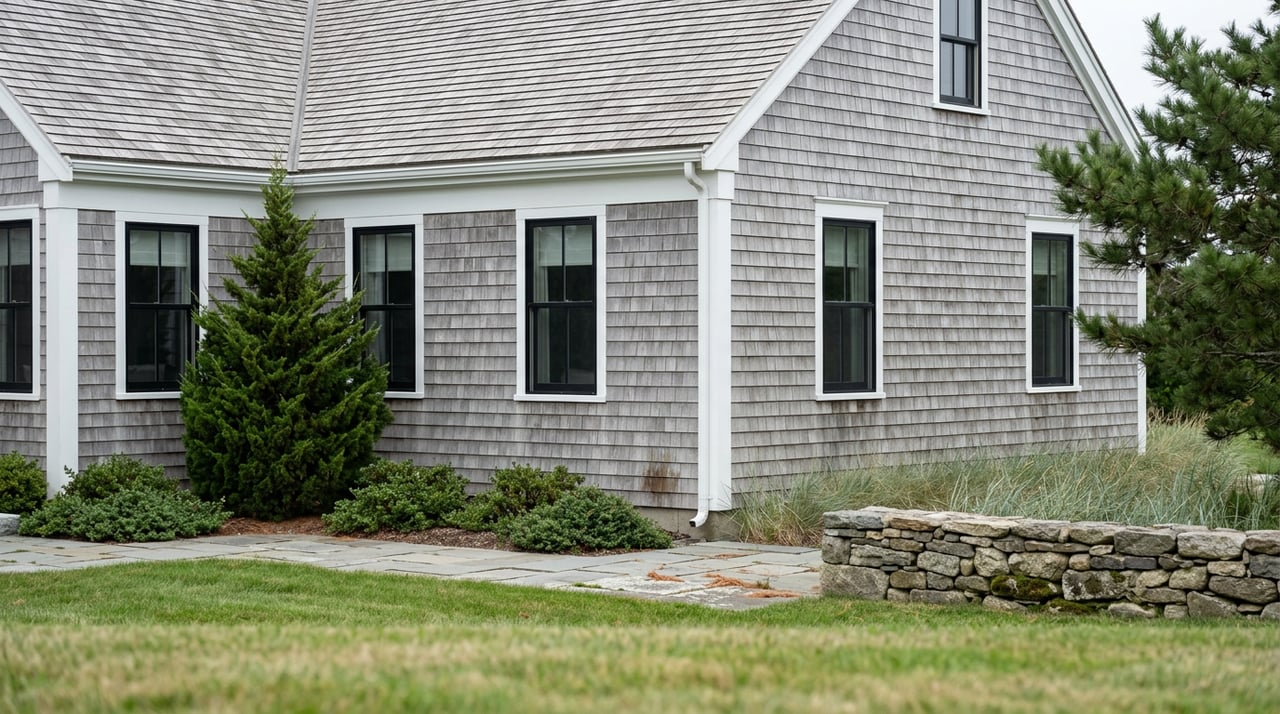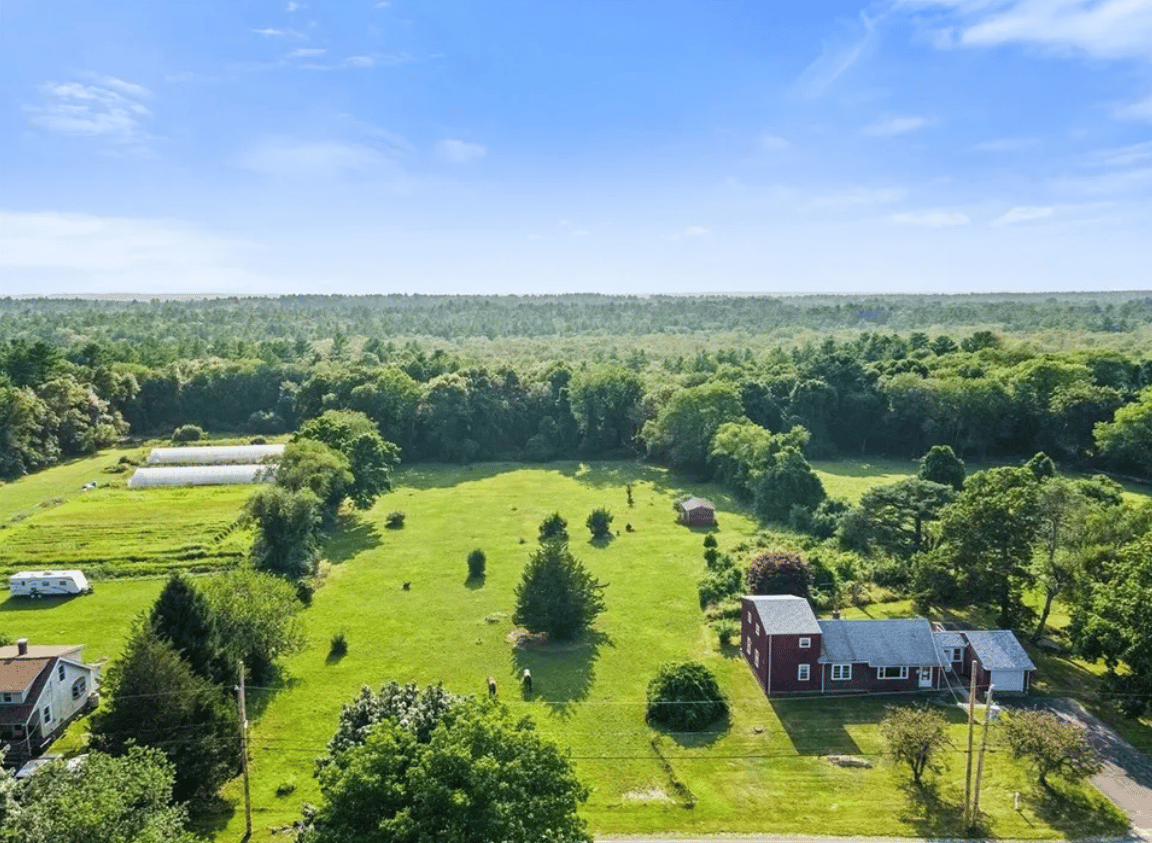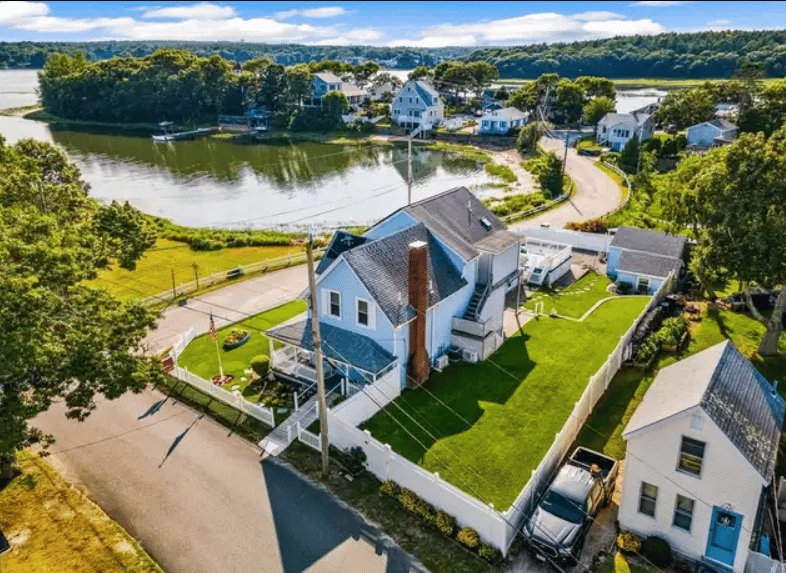
There's something about a historic home that grabs your attention.
Maybe it's the original hardwood floors, the handcrafted details, or simply the feeling that the home has lived through decades of local history. Whatever the reason, historic homes offer a level of character that's hard to find in newer construction.
Wareham is home to several older properties that reflect the area's rich New England heritage. For buyers who appreciate architecture, craftsmanship, and unique design, these homes can be incredibly appealing. At the same time, owning a historic property comes with responsibilities that every buyer should understand before making an offer.
If you're considering buying a historic home in Wareham, here's a closer look at both the challenges and the rewards.
The Character Is Hard to Replicate
One of the biggest reasons buyers are drawn to historic homes is their personality.
Many older homes feature architectural details that are rarely found in modern construction. Original woodwork, custom trim, built-in cabinetry, stained glass, and wide-plank flooring can give a property a distinctive look and feel.
Unlike many newer homes that follow similar floor plans and design trends, historic properties often have unique features that make them stand out. For buyers looking for something with charm and individuality, that's a major advantage.
Maintenance Requires Extra Attention
Historic homes can be beautiful, but they often require more upkeep.
Older plumbing, electrical systems, roofing materials, and foundations may need repairs or updates over time. Even when previous owners have completed renovations, there may still be areas that require ongoing maintenance.
This doesn't mean historic homes should be avoided. It simply means buyers should enter the process with realistic expectations. A detailed home inspection can help identify potential issues and provide a clearer picture of future maintenance costs.
Renovation Projects May Be More Complex
If you plan to renovate a historic home, it's important to understand any rules or restrictions that may apply.
Certain properties may fall within historic districts or be subject to preservation guidelines. Depending on the situation, changes to the exterior or significant renovations could require approvals before work begins.
Even when restrictions aren't in place, matching original materials and architectural details can be more time-consuming than standard renovations. Many homeowners feel the extra effort is worthwhile because it helps preserve the home's character and value.
Buyers should also understand potential flood risks and insurance obligations before purchasing an older property, particularly if it's located near the coast or other flood-prone areas.
Costs Can Look Different Than Newer Homes
The purchase price is only one part of the equation.
Historic homes sometimes come with higher maintenance and repair costs due to specialized materials and skilled labor requirements. Insurance costs can also vary depending on the age and condition of the property.
On the other hand, some buyers find that the long-term value of owning a unique property outweighs the additional expenses. Historic homes often attract buyers who specifically appreciate older architecture and craftsmanship. It's also helpful to consider future resale timeline and market conditions when evaluating the overall investment potential of a historic property.
The Sense of History Is a Reward of Its Own
Owning a historic home offers something that can't be measured in square footage or price per square foot.
There's a unique sense of connection that comes from living in a property that has been part of the community for generations. Many homeowners enjoy learning about the home's past, preserving original features, and becoming part of its ongoing story.
For some buyers, that's one of the most rewarding aspects of homeownership.
Is a Historic Home Right for You?
That depends on what you're looking for.
If your goal is a low-maintenance property with modern finishes and minimal upkeep, a newer home may be a better fit. But if you appreciate craftsmanship, architectural details, and homes with character, a historic property could be exactly what you're searching for.
Taking time to research different neighborhoods and housing trends throughout Wareham can also help you determine where historic homes are most commonly found and which areas best match your lifestyle goals.
The key is understanding both the benefits and the responsibilities before you buy.
Frequently Asked Questions About Buying a Historic Home in Wareham
Are historic homes more expensive to maintain?
They can be. Older homes often require more maintenance than newer properties, especially when it comes to major systems such as plumbing, electrical work, roofing, and structural components. Costs vary depending on the condition of the home and the updates that have already been completed.
Can I renovate a historic home?
In many cases, yes. However, some historic properties may be subject to preservation guidelines or local regulations that affect renovation projects. It's a good idea to research any restrictions before purchasing if you plan to make significant changes.
Do historic homes have modern features?
Many historic homes have been updated over the years to include modern kitchens, bathrooms, heating systems, and other conveniences. Every property is different, so it's important to review what improvements have been made and what may still need updating.
Why is a home inspection especially important for older homes?
A thorough inspection can identify issues that aren't always visible during a showing. Older wiring, foundation concerns, aging plumbing, and deferred maintenance can all affect future costs. Understanding the home's condition helps buyers make informed decisions.
Are historic homes a good investment?
They can be. Well-maintained historic homes often appeal to buyers who value character, craftsmanship, and unique architecture. While no investment is guaranteed, distinctive properties often maintain strong buyer interest over time.
Final Thoughts
Buying a historic home in Wareham is about more than purchasing real estate. It's about owning a property with a story, preserving a piece of local history, and enjoying architectural details that have stood the test of time.
While these homes may require additional care and maintenance, many buyers find the rewards far outweigh the challenges. The charm, character, and sense of history create an ownership experience that's difficult to duplicate in newer construction.
If you're considering a historic home, take the time to understand the property's condition, maintenance needs, and long-term potential. With the right expectations and guidance, you can find a home that offers both lasting value and a meaningful connection to Wareham's past.
See why so many people love calling Wareham home—learn more here: https://susangordenryanluxury.com/neighborhoods/wareham
About the Author
Susan Gorden Ryan is a dedicated real estate agent serving Mattapoisett, MA, and the surrounding South Coast communities. With extensive knowledge of the local real estate market and a commitment to helping buyers and sellers achieve their goals, she provides personalized guidance throughout every stage of the real estate process. To learn more about local real estate opportunities, visit susangordenryanluxury.com or contact Susan directly at (508) 208-1927.