Selling a historic home in Fairhaven is not the same as selling any other older property. Buyers are often drawn to the story, craftsmanship, and sense of place just as much as the square footage. If you want the right result, your marketing needs to do more than look polished. It needs to connect documented history with modern-day livability. Let’s dive in.
Start With Documentation
Before you write a single line of listing copy, gather the home’s records. For a historic property in Fairhaven, that can include a Massachusetts Historical Commission inventory form, National Register paperwork, old photographs, renovation records, prior permits, and any preservation restriction documents.
This step matters because buyers respond best to facts they can trust. A Massachusetts Historical Commission inventory form can document the property’s appearance, condition, uses, and historical associations, but it does not by itself create an official designation. If a preservation restriction exists, that is a recorded legal agreement that can bind future owners.
Fairhaven also offers strong local research sources. The town’s Historical Commission runs a house-plaque program, and local history resources include the Millicent Library archives and the Fairhaven Historical Society. Together, these records can help you tell a richer and more accurate story.
Verify Historic Status Clearly
Not every older home has the same legal or historical status. Some properties are simply documented in inventory records, some are formally listed, and some may be subject to preservation restrictions or local review.
That distinction should shape your marketing. A National Register listing recognizes significance, but by itself it does not automatically limit how an owner handles the property unless other state, federal, or local rules apply. A local historic district, on the other hand, can involve review of exterior changes visible from a public way.
For sellers, clarity builds confidence. If you know exactly how the home is classified, you can market it accurately and avoid overstating what the designation means.
Tell a Fairhaven-Specific Story
Fairhaven’s appeal is visual, architectural, and deeply tied to place. Official community materials describe the town through its historic streets, waterfront setting, and distinctive architecture. The town’s planning materials also show that heritage remains important to tourism and to the reuse of historic buildings.
That gives you a useful marketing advantage. Instead of presenting your property as merely old, you can position it as part of Fairhaven’s documented story. Buyers are not just considering a house. They are considering a home connected to a town with recognized historic resources and an active preservation identity.
Fairhaven’s National Register properties include Fairhaven High School and Academy, Fairhaven Town Hall, Fairlawn, Sawin-Bullen-Bullard House, and The Unitarian Society. That mix helps reinforce that historic architecture is part of the community fabric here, not a one-off feature.
Write Listing Copy With Specifics
Generic words like “charming” and “unique” do not do enough for a historic home. Stronger marketing names what is real and verifiable. That means identifying the era or style, noting the builder or architect if known, and calling out which original features remain.
You should also explain what makes the home livable now. Buyers want to know how history and comfort meet. If the property has updated systems, improved functionality, or thoughtful renovations, those details deserve a place in the story.
Fairhaven’s own landmark architecture offers a good model for this kind of language. The Town Hall is described through its French Gothic design, granite, Delmonico brick, quartered oak paneling, stained glass, and clock tower. Other noted homes in town are described through decorative millwork, balconies, oak staircases, elaborate woodwork, and period character.
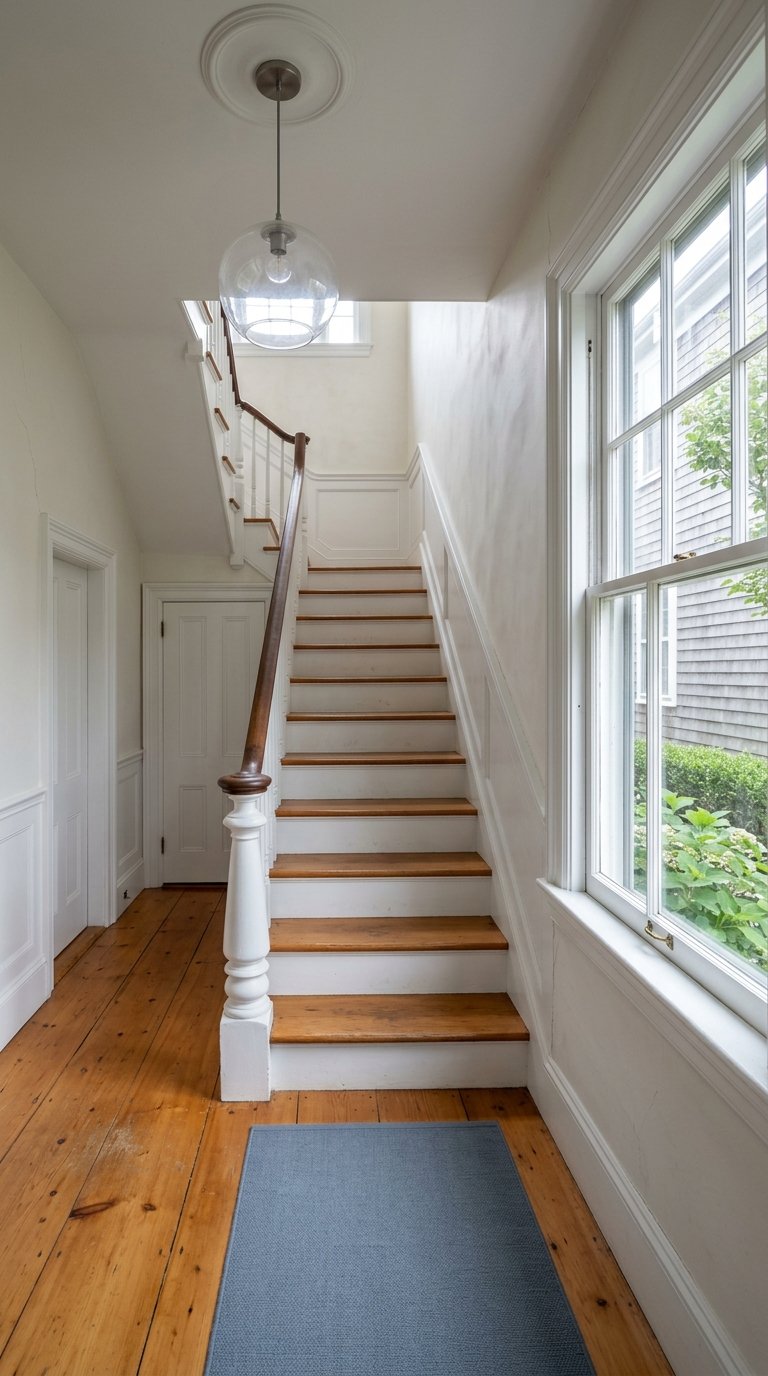
That is the standard to aim for. Instead of “beautiful old house,” think in terms of original windows, carved newel posts, fireplaces, stained glass, masonry, wide trim, or preserved millwork. Specific details help buyers picture value.
Use Photography To Show Craftsmanship
Photos do a huge amount of work in any listing, and they are especially important for historic homes. Research cited by the National Association of Realtors shows that listing photos are the most useful online feature for 81% of buyers. Among buyers who use the internet, photos, detailed property information, and floor plans are top tools.
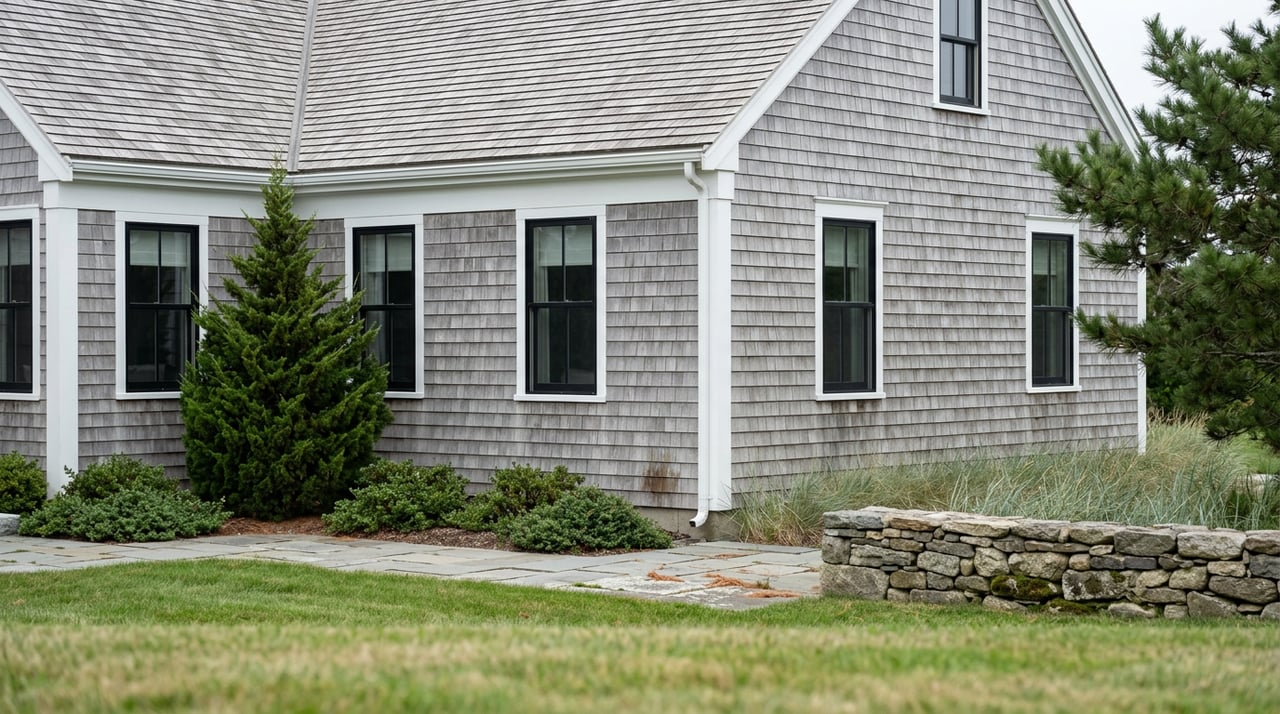
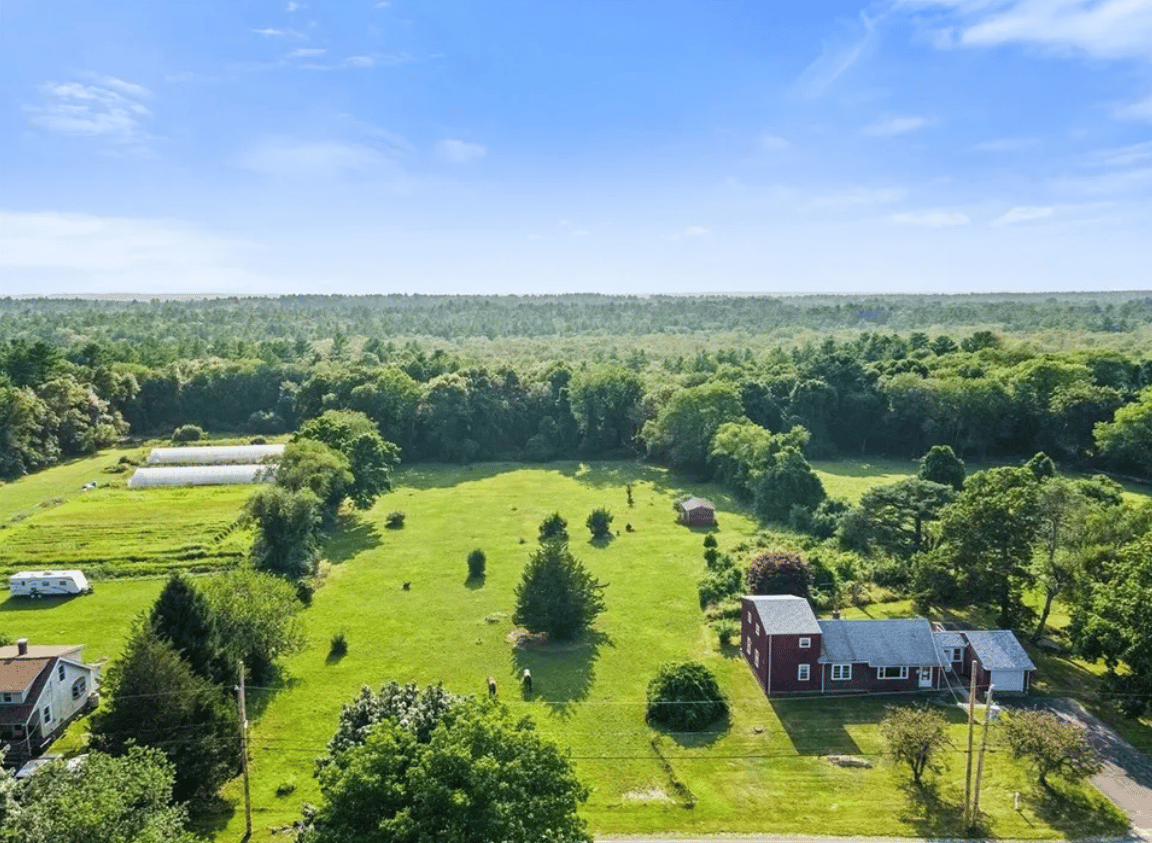
For a Fairhaven historic home, your photo set should go beyond standard room shots. You want a mix of wide images that show setting and scale, along with close-up views that capture craftsmanship. Think staircases, windows, trim, fireplaces, hardware, brickwork, porches, and landscape features that support the home’s authenticity.
Context matters too. Fairhaven’s historic streets, waterfront character, and civic architecture help shape buyer perception. If appropriate, photography should help the home feel rooted in its surroundings rather than isolated from them.
Stage For Livability, Not Theater
Historic homes benefit from staging, but the goal is not to turn the property into a period set. Buyers need to see how the home lives today. They also need room to notice the original details that make it special.
That means using furniture scaled appropriately for the rooms, keeping layouts open, and avoiding overly themed decor. You want the architecture to remain the visual focus. Millwork, fireplaces, natural light, staircases, and room proportions should lead the story.
This approach also aligns with broader market behavior. A 2025 National Association of Realtors staging survey found that 29% of agents saw offers rise by 1% to 10% after staging, and 49% said staging reduced time on market. In a market where presentation matters, careful staging can support both buyer interest and timing.
Balance History With Modern Updates
One of the best ways to market a historic home is to present it as both authentic and usable. Buyers often appreciate period character, but they also want clarity on comfort, efficiency, and day-to-day function.
Fairhaven’s planning and restoration examples support that balance. The town promotes rehabilitation that respects historic features while adapting buildings to modern needs. Even the restoration of Town Hall paired historically accurate work with modernization for energy efficiency and accessibility.
That gives sellers a smart framework. Your marketing should present the home through three lenses: documented history, visible craftsmanship, and comfortable modern livability. When those three elements come together, buyers can see both emotional appeal and practical value.
Handle Disclosures Early
Historic-home marketing should never skip the practical side. If your Fairhaven home was built before 1978, lead-paint disclosure steps need attention before the listing goes live.
Federal law requires disclosure of known lead-based paint information and reports, delivery of the EPA pamphlet, and a 10-day inspection period. Massachusetts also requires lead-paint notification compliance for pre-1978 homes. Since many historic homes fall into that age range, this is an early checklist item, not a last-minute detail.
Getting ahead of disclosure tasks helps your sale run more smoothly. It also builds buyer trust from the start.
Avoid Misleading Visual Enhancements
Digital editing can help a listing look clean and professional, but it should never misrepresent the home. This is especially important with historic properties, where over-editing can create a false impression of condition or restoration.
If virtual staging or digital enhancement is used, it should be disclosed clearly. The goal is to help buyers understand the property, not to create a version of it that does not exist.
Honest presentation protects both credibility and momentum. Historic-home buyers tend to notice details, and trust matters throughout the process.
Why Presentation Still Matters In Fairhaven
Fairhaven’s historic identity is a real advantage, but good marketing still matters. According to current Realtor.com town data cited in the research, the median listing price is around $499,950 and the average time on market is around 21 days.
That means sellers cannot rely on character alone. Even in a visually distinctive town, the homes that stand out are the ones presented with clarity, strategy, and professional polish. Buyers respond when the history is documented, the visuals are strong, and the story feels complete.
If you are preparing to sell a historic home in Fairhaven, the smartest path is a tailored plan. With the right mix of research, staging, photography, and positioning, your home can be marketed in a way that honors its past while maximizing its present-day appeal.
When you are ready for a thoughtful, concierge-level plan to position your historic home, connect with Susan Gorden Ryan for expert guidance and a complimentary home valuation.
FAQs
What makes historic-home marketing different in Fairhaven, MA?
- Fairhaven’s appeal is closely tied to its historic streets, waterfront setting, and distinctive architecture, so your marketing should focus on documented history, visible craftsmanship, and the home’s connection to the town’s character.
What documents should you gather before listing a historic home in Fairhaven?
- Start with any Massachusetts Historical Commission inventory form, National Register paperwork, old photos, prior permits, renovation records, and any preservation restriction document, along with relevant local history resources from Fairhaven institutions.
What should listing photos show for a Fairhaven historic home?
- Your photo package should include wide shots for setting and scale plus close-up images of original details such as windows, trim, staircases, fireplaces, masonry, hardware, and landscape features.
How should you stage a historic home in Fairhaven, MA?
- Stage the home to feel comfortable and current while letting architectural details stand out, using appropriately sized furnishings and avoiding decor that feels overly themed or museum-like.
What should sellers know about lead-paint disclosure for older Fairhaven homes?
- If the home was built before 1978, sellers should confirm lead-paint disclosure requirements early, including known information and reports, required notification materials, and the inspection period required by law.