Looking for more space, a slower pace, and a lifestyle that feels grounded in the land? Rochester, Massachusetts offers a version of SouthCoast living that is less about harbor bustle and more about country roads, open fields, and room to breathe. If you are wondering what daily life here really feels like, this guide will help you understand the town’s rural character, housing patterns, outdoor access, and how Rochester compares with nearby coastal towns. Let’s dive in.
Rochester’s Rural Identity
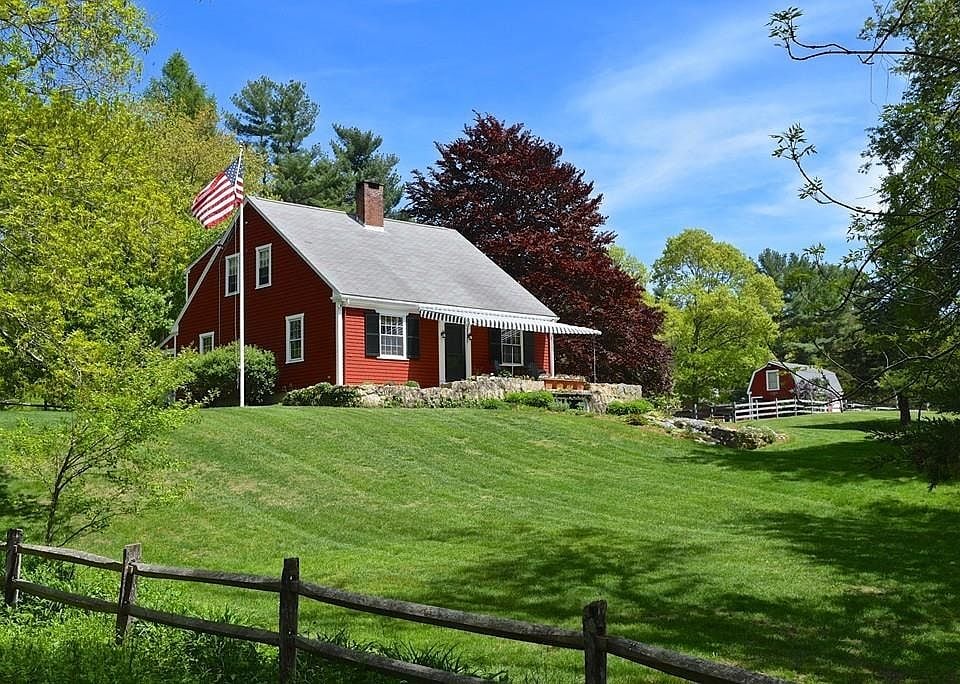
Rochester describes itself as a mostly rural-residential community with farms still woven into everyday life. That identity is not just visual. The town supports agriculture through its Agricultural Commission, right-to-farm bylaw, and zoning that specifically recognizes farm stands and roadside stands.
That matters if you are drawn to a place where countryside living is part of the local fabric, not just a branding idea. The town’s 2024 master plan also reinforces support for farmers, agri-tourism, farm trails, and related business development. In practical terms, Rochester’s rural character is something local planning aims to preserve and strengthen.
What Everyday Life Feels Like
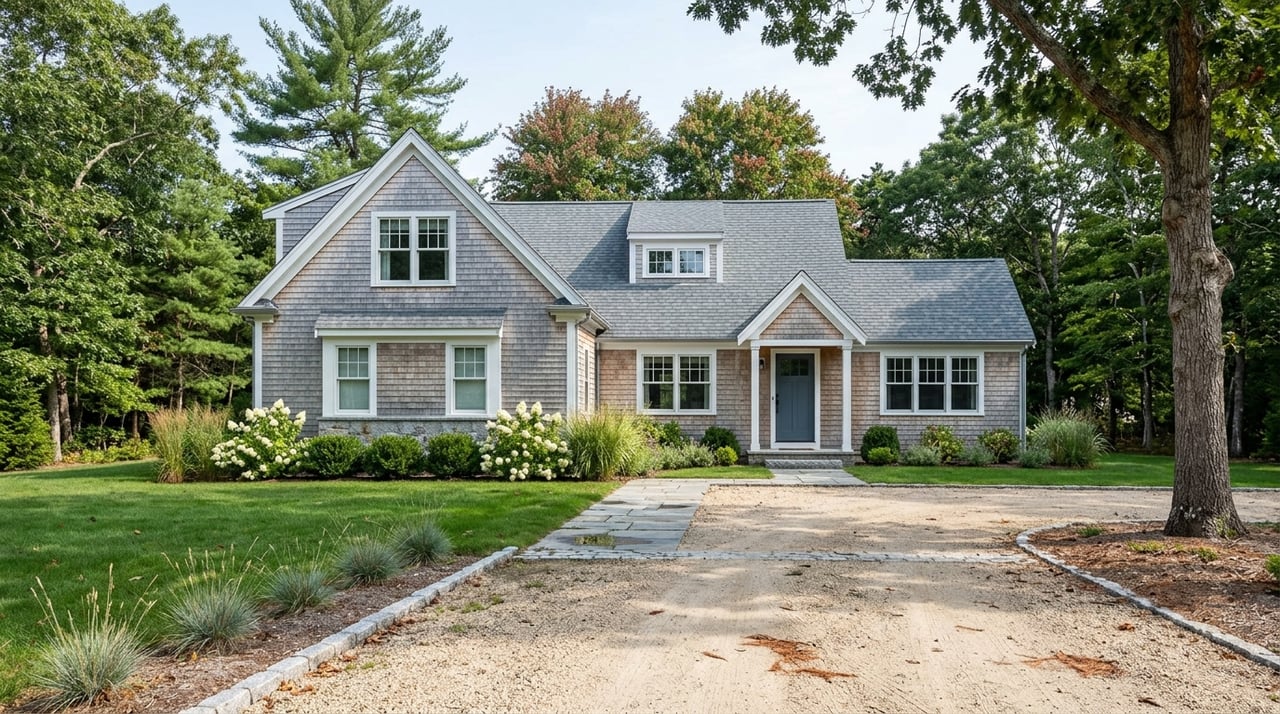
Life in Rochester tends to feel quieter, lower density, and more land-oriented than in nearby coastal communities. You are more likely to find country roads, detached homes, and larger parcels than compact village blocks or harbor-centered activity.
For many buyers, that translates to privacy, elbow room, and a daily routine shaped by open space rather than traffic and foot traffic. If your ideal setting includes a yard, mature trees, and a little more distance between homes, Rochester stands out on the SouthCoast.
Open Space and Outdoor Living
One of Rochester’s biggest lifestyle advantages is its conservation footprint. The Rochester Land Trust says it has secured more than 1,100 acres for conservation and maintains trails and access for hiking, biking, skiing, horseback riding, geocaching, nature study, and hunting where allowed.
That kind of access can make outdoor time part of your regular week, not just an occasional weekend plan. The town’s preserved land supports a lifestyle that feels active, natural, and connected to the seasons.
Notable Places to Explore
Several local conservation areas help show what outdoor life in Rochester can look like.
- East Over Reservation spans 75 acres and includes farm fields, trails, and stone walls.
- White Cedar Preserve covers 83 acres of upland and wetland terrain, including a white cedar bog.
- Church Conservation Area protects 21 acres of pine forest.
- Rounseville II Preserve offers a wooded loop trail in the heart of town.
These are the kinds of places that shape the rhythm of daily life. They make it easier to imagine a morning walk, a trail outing after work, or a more grounded weekend close to home.
Local Traditions and Civic Rhythm
Rochester’s lifestyle is not only about land and quiet roads. The town also has a steady civic rhythm, with board and committee meetings posted year-round and seasonal events that reflect long-standing local traditions.
One of the best examples is the Rochester Memorial Day Boat Race, which the town says has been held since 1934. That mix of conservation, local government participation, and recurring traditions gives Rochester a lived-in, community-centered feel without changing its rural tone.
What Homes in Rochester Tend to Offer
If you are shopping for a home in Rochester, the zoning helps explain what you are likely to find. The Agricultural-Residential District is designed to preserve the town’s rural nature while still allowing residential growth.
Minimum lot size in that district is 87,120 square feet, with 225 feet of frontage required for a dwelling. Single-family homes are allowed by right, and back-lot special permits may be allowed on larger acreage. Together, those rules support a housing pattern that is low density and land-oriented.
What That Means for Buyers
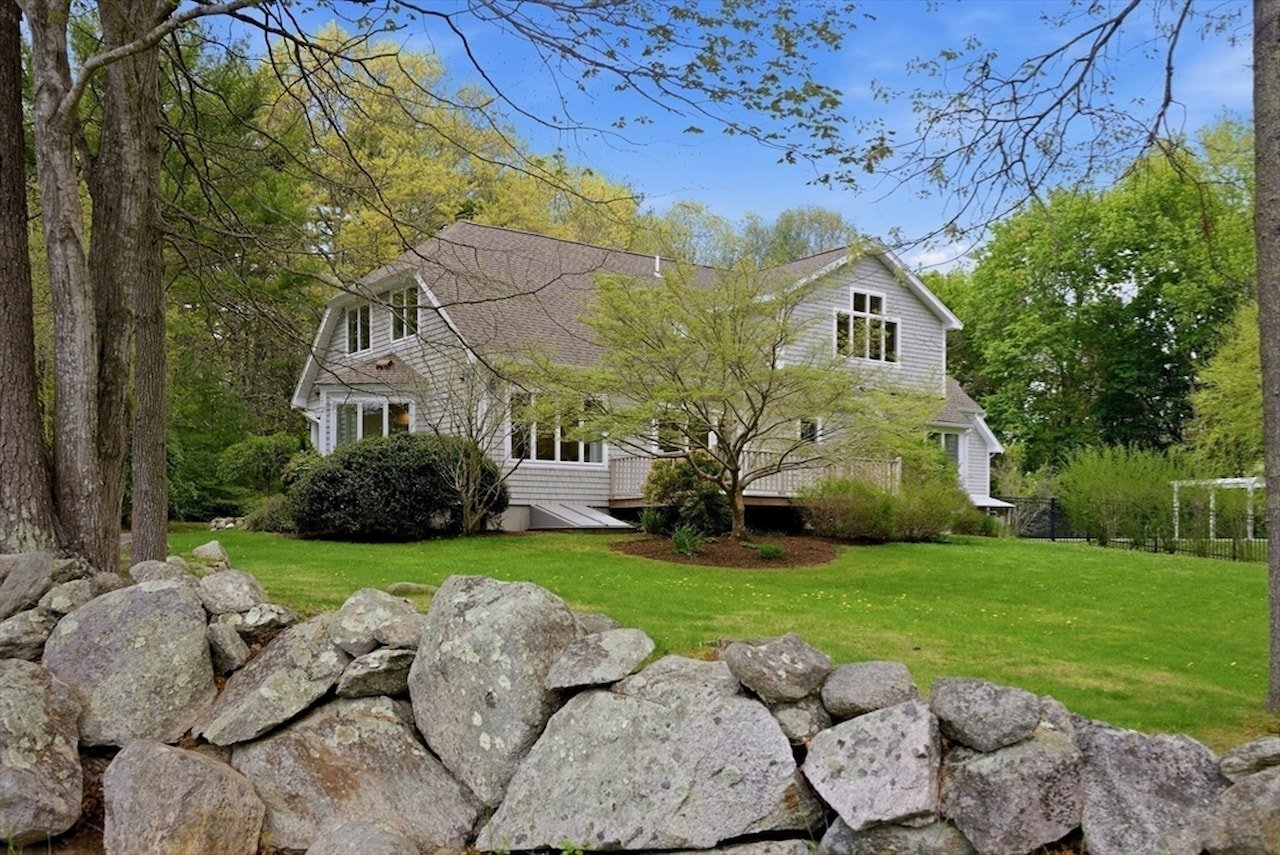
For you as a buyer, Rochester often means detached homes, more substantial lots, and a setting that feels distinctly residential and rural. You are less likely to find dense, compact housing and more likely to see homes on country roads, low-density streets, or occasional newer cul-de-sac-style developments.
That can be especially appealing if you want privacy, outdoor space, or a property that supports a quieter pace of life. It can also be a strong fit if you are moving from a denser town and want more room without leaving the SouthCoast region.
Rochester Housing Market Snapshot
As of April 2026, Rochester’s median sale price was reported at $613,183, with a median of $401 per square foot. Recent closed sales on roads such as Walnut Plain Road, County Road, Randall Road, Thistle Lane, and Stuart Road suggest a market shaped largely by single-family homes in low-density settings.
For buyers, that pricing helps position Rochester as a countryside option that may offer more space at a lower median price than some nearby coastal towns. For sellers, it reinforces the importance of strategic pricing and thoughtful presentation within a market where setting, land, and home condition can strongly influence value.
Rochester vs. Marion and Mattapoisett
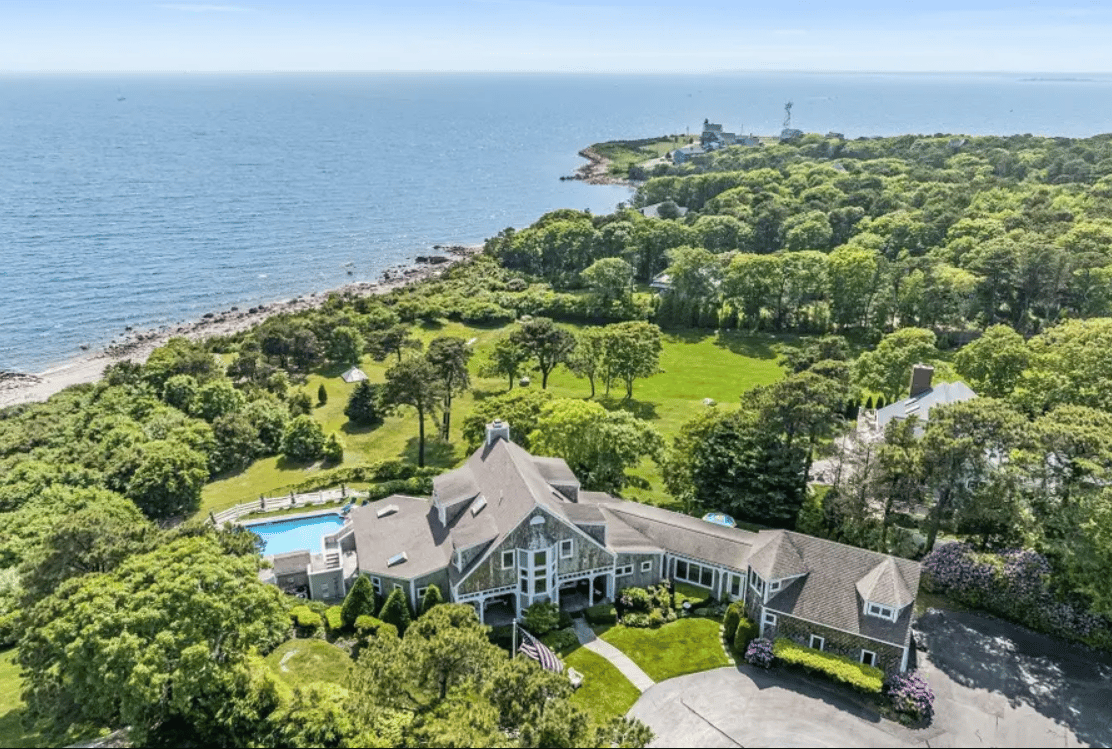
If you are deciding between Rochester and nearby SouthCoast towns, the biggest difference is lifestyle. Marion and Mattapoisett both lean more coastal and harbor-oriented, while Rochester leans rural and land-focused.
Marion is known as a small coastal town on Buzzards Bay with strong sailing and boating associations. Its housing production plan says much of the town is zoned for low-density residential use with 2-acre minimum lots, and its April 2026 median sale price was $1,241,859. That is about 51% above Rochester’s level.
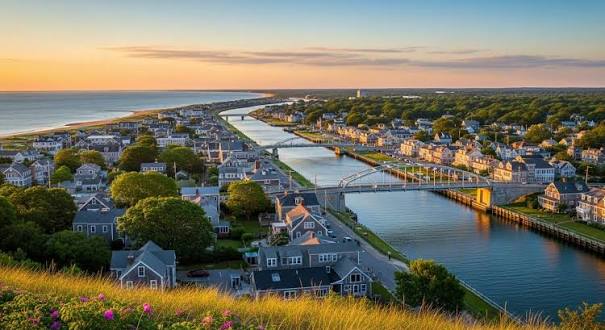
Mattapoisett also has a strong coastal identity. The town emphasizes its harbor, waterfront, beach, wharf, shellfishing, and summer activities. Its April 2026 median sale price was $714,631, about 14% above Rochester’s level.
Which Lifestyle Fits You Best?
Rochester may be the better match if you want:
- More privacy and separation between homes
- A stronger countryside setting
- Significant open space and trail access
- A lower median home price than nearby coastal towns
Marion or Mattapoisett may be more appealing if you want:
- A more immediate coastal setting
- Harbor or boating identity woven into daily life
- More village-style or waterfront-oriented energy
None of these towns is a one-size-fits-all answer. The right fit depends on whether you picture your ideal SouthCoast lifestyle around fields and trails or around the harbor and shoreline.
Why Rochester Appeals to SouthCoast Buyers
Rochester offers something increasingly hard to find: a countryside setting that still feels connected to the broader SouthCoast market. You can enjoy a more spacious, rural environment while staying within reach of nearby coastal towns and regional amenities.
That balance often appeals to buyers who want room to spread out without giving up access to the SouthCoast lifestyle they value. It can also appeal to sellers whose homes offer land, privacy, or a setting that stands apart from denser nearby markets.
A Smart Way to Evaluate Rochester
If Rochester is on your shortlist, it helps to look beyond simple price comparisons. Focus on how you want to live day to day. Think about lot size, privacy, outdoor access, maintenance expectations, and whether a rural setting fits your routine.
If you are selling in Rochester, that same lifestyle framing matters. Buyers are often responding to the full package: the home itself, the land, the quiet, and the town’s agricultural and open-space identity. A strong strategy can help position those features clearly and effectively.
Whether you are buying for more space or preparing to sell a Rochester property, local market knowledge makes a real difference. For tailored guidance across the SouthCoast, connect with Susan Gorden Ryan for a strategic, high-touch approach.
FAQs
What is life like in Rochester, MA?
- Rochester offers a mostly rural-residential lifestyle shaped by farms, open space, conservation land, and low-density housing.
Is Rochester, MA more rural than Marion or Mattapoisett?
- Yes. Based on local zoning, conservation patterns, and town character, Rochester is more countryside-oriented, while Marion and Mattapoisett have stronger coastal and harbor identities.
What types of homes are common in Rochester, MA?
- Rochester’s housing stock is largely made up of single-family homes on larger lots, often along country roads or low-density residential streets.
Does Rochester, MA have trails and conservation land?
- Yes. The Rochester Land Trust says it has secured more than 1,100 acres for conservation, with trails and access for a variety of outdoor activities.
How do home prices in Rochester, MA compare with nearby towns?
- As of April 2026, Rochester’s median sale price was $613,183, compared with $714,631 in Mattapoisett and $1,241,859 in Marion.
Is Rochester, MA a good fit if you want more privacy?
- Rochester may appeal to buyers seeking privacy because its zoning and housing patterns support larger lots, lower density, and a more land-oriented setting.