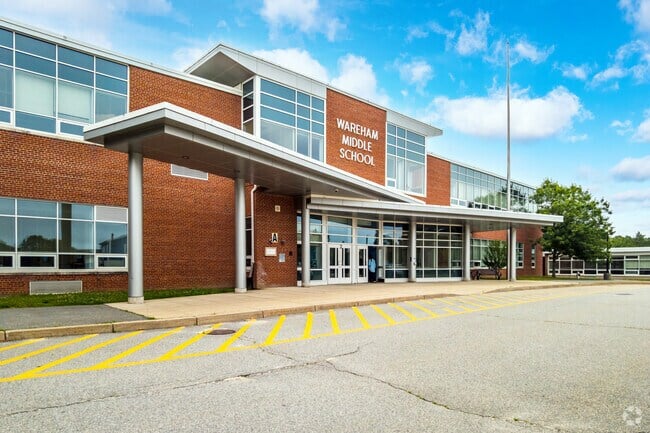
When people start looking for a home in Wareham, one of the first things they often check is the local school ratings. Even buyers without children tend to pay attention to them. Why? Because schools can influence everything from neighborhood demand to long-term property values.
School ratings aren't the only factor that matters when buying a home, but they often play a bigger role than many people expect.
Why School Ratings Matter to Homebuyers
For families with school-aged children, the connection is obvious. Parents want access to schools that offer strong academic programs, supportive teachers, and opportunities for their kids to succeed.
But school ratings affect more than just families.
Many buyers see highly rated schools as a sign of a stable and desirable community. Areas with strong school systems often attract more buyers, which can help keep housing demand steady over time.
That's one reason homes located near well-regarded schools tend to receive a lot of attention when they hit the market.
School Ratings and Home Values
There's a reason real estate agents frequently get questions about local schools.
Communities with higher-rated schools often experience stronger home value growth over the years. When more buyers want to live in a particular area, competition can increase. That demand can support property values, even during slower market conditions.
Of course, no school rating can guarantee future appreciation. Real estate markets are influenced by many factors, including inventory levels, interest rates, local employment opportunities, and understanding local housing market timelines.
Still, school quality remains one of the most consistent factors buyers consider when choosing where to live.
What Buyers Should Look Beyond Ratings
School ratings can be helpful, but they don't tell the whole story.
A numerical score may not reflect everything that makes a school a good fit for a family. Academic programs, extracurricular activities, class sizes, teacher involvement, and community support all contribute to the student experience.
Many buyers find it useful to visit schools, review district information, and speak with local residents whenever possible. A school that works well for one family may not be the right choice for another.
That's why it's important to use ratings as a starting point rather than the final answer.
The Wareham Market Perspective
In Wareham, buyers often compare neighborhoods based on a combination of factors. School performance is one piece of the puzzle, alongside commute times, home prices, access to amenities, and whether Wareham fits your lifestyle and long-term goals.
Some buyers prioritize proximity to schools. Others focus on waterfront access, neighborhood character, or researching neighborhood growth potential before buying.
The key is finding the balance that fits your goals.
Whether you're purchasing your first home, moving to accommodate a growing family, or investing for the future, understanding how school ratings influence buyer demand can help you make a more informed decision.
Frequently Asked Questions
Do school ratings affect home prices in Wareham?
They can. Homes located in areas with well-regarded schools often attract more buyer interest, which may support higher home values over time. School ratings aren't the only factor that influences pricing, but they are often part of a buyer's decision-making process.
Should buyers rely only on school ratings when choosing a home?
No. School ratings provide a useful starting point, but they don't tell the full story. Visiting schools, researching academic programs, exploring extracurricular opportunities, and talking with local residents can provide a more complete picture.
Do school ratings matter if I don't have children?
Many buyers without children still pay attention to school ratings because they can influence neighborhood demand and future resale potential. Strong schools often remain attractive to a wide range of buyers.
Can school ratings change over time?
Yes. School ratings can increase or decrease as testing results, enrollment trends, funding, and district performance change. It's a good idea to review the most recent information available when researching a community.
Are homes near highly rated schools always more expensive?
Not always. While homes in desirable school districts may command higher prices, housing costs are also influenced by location, home size, condition, inventory levels, and overall market conditions.
What's the best way to research schools before buying a home?
Start by reviewing school ratings and district information online. Then, if possible, visit the schools, attend community events, and speak with parents or local residents. Combining data with firsthand impressions often leads to a more informed decision.
Final Thoughts
School ratings continue to play an important role in the homebuying process. They can affect buyer interest, neighborhood demand, and perceptions of long-term value.
At the same time, they should be viewed as one part of a much bigger picture. The best home purchase is one that aligns with your lifestyle, financial goals, and plans for the future.
Taking the time to evaluate both the schools and the community can help you feel confident about your decision and your investment.
If you’re curious and want to explore more of the area, you can watch here: https://susangordenryanluxury.com/neighborhoods/wareham
About the Author
Susan Gorden Ryan
Real Estate Agent in Mattapoisett, MA
susangordenryanluxury.com
(508) 208-1927