If you’re thinking about buying a home in Rochester, Massachusetts, one of the most important questions you may not even realize to ask is:
What does Right to Farm actually mean for homeowners?
The honest answer is:
It means Rochester recognizes and protects agricultural activity as part of the town’s character—and that can affect what living there looks like.
For many buyers, that is a positive.
But it is something you should understand before you buy—especially if you’re also evaluating whether Rochester is the right place to live for land and privacy overall.
What Right to Farm Generally Means
At a practical level, Right to Farm supports the town’s agricultural heritage.
That can mean certain farming-related activities may be protected or expected as part of living in the community.
Depending on location, that may include things like:
● Farm equipment activity
● Agricultural noise
● Odors associated with farming
● Seasonal activity tied to agricultural operations
For buyers moving from a more suburban setting, that can be very different from what they’re used to.
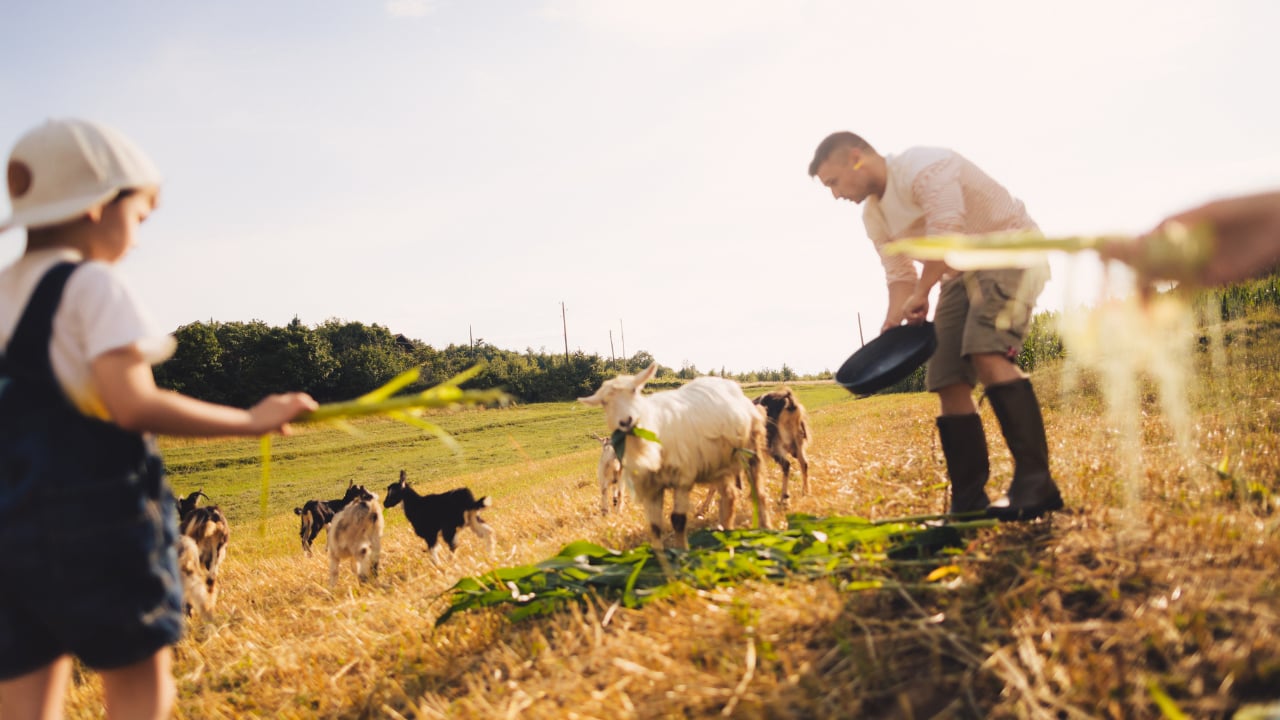
For buyers specifically looking for a rural lifestyle, it may be exactly what they want—particularly if they are interested in keeping chickens, horses, or small livestock on their property.
Why This Matters When Buying a Home
This matters because you are not just buying a house.
You are buying into an environment.
And in a Right to Farm town, that environment may include things some buyers see as part of the appeal, while others may see as something they need to understand more clearly.
That is why this is really a lifestyle question as much as a real estate question.
A Real Rochester Scenario
I see this come up with buyers looking for land.
A buyer finds a beautiful property in Rochester with privacy, acreage, and exactly the rural setting they want.
Everything looks ideal.
Then they start learning more about the surrounding area and realize there may be active agricultural uses nearby.
For one buyer, that feels completely aligned with why they wanted Rochester in the first place.
For another, it raises questions they had not considered before making an offer—especially around what to know before buying in a Right to Farm town like Rochester.
Same property.
Very different reaction.
That is why understanding the setting matters.
What Buyers Should Look Into
If you are buying in Rochester, I would look beyond the house itself and understand:
● What surrounds the property
● How nearby land is being used
● Whether the rural character is part of what you want
● How the property fits your long-term plans
Those questions matter just as much as bedrooms, square footage, or price.
What Some Buyers Get Wrong
One mistake some buyers make is assuming “country setting” just means privacy and open land.
Sometimes it also means living in a community where agricultural activity is part of the landscape.
That is not necessarily a problem.
But it is something to understand before you buy, not after.
Who This Is Often a Good Fit For
A Right to Farm town often appeals to buyers who want:
● Rural character
● Land and privacy
● Hobby farm potential
● Agricultural compatibility
● A setting that feels less suburban
For many buyers, those are benefits.
FAQ: Right to Farm in Rochester, MA
Does Right to Farm affect homeowners?
It can, because it may shape aspects of the surrounding environment and what living in the town may include.
Is Right to Farm a bad thing for buyers?
Not at all. For many buyers, it is part of the appeal.
Should buyers understand Right to Farm before purchasing?
Yes. It is part of understanding the property and the community.
Final Thoughts
What does Right to Farm mean in Rochester for homeowners?
It means understanding that agriculture is part of the town’s identity—and for many buyers, that is one of the reasons Rochester is attractive.
The key is making sure that fits what you want.
Because if it does, it can be a real advantage.
If you’re curious and want to explore more of the area, you can watch here: https://susangordenryanluxury.com/neighborhoods/rochester
Next Step
If you’re considering buying in Rochester, the next step is understanding how land, location, and rural uses fit with your goals so you can evaluate properties with the full picture in mind.
That is where better decisions get made.
Susan Gorden Ryan is a real estate agent in Mattapoisett, MA helping buyers and sellers on the South Coast of Massachusetts.