Buying a home in Fairhaven can be exciting. You’re looking at the neighborhood, the house itself, the yard, maybe even how close you’ll be to the water.
But there’s another question you’ll want to ask before you fall in love with a property: Is the home in a flood zone?
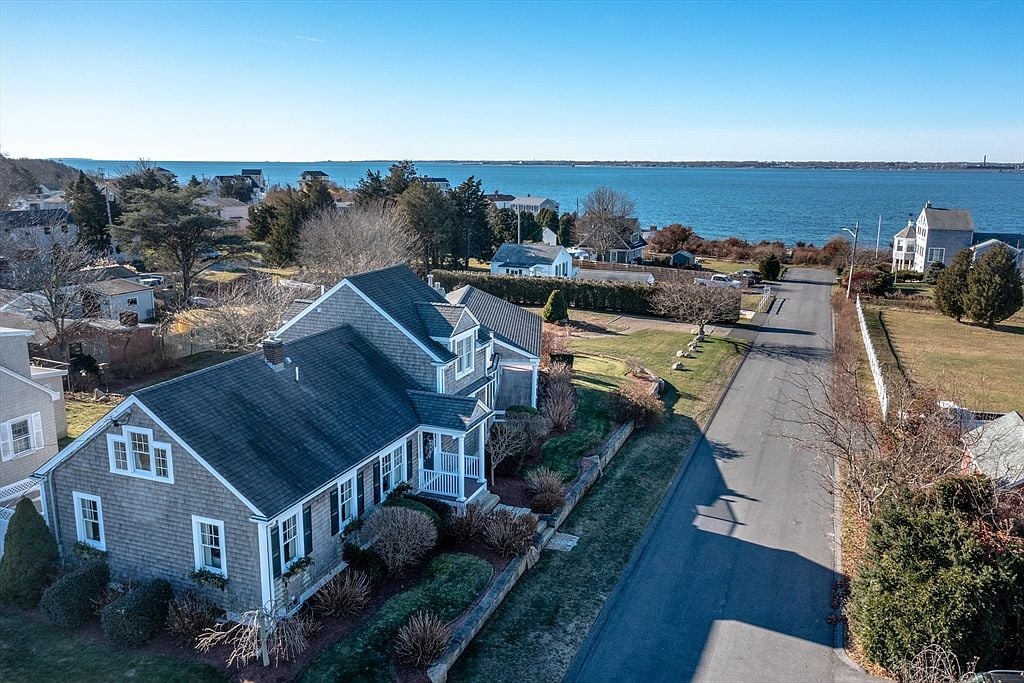
For buyers in Fairhaven, this matters. The town has coastal areas, wetlands, and properties near Buzzards Bay, Little Bay, and other waterways. That means flood risk can vary quite a bit from one property to the next.
A flood zone doesn’t automatically mean you should walk away from a home. It does mean you should understand what you’re buying before you make an offer.
What Is a Flood Zone?
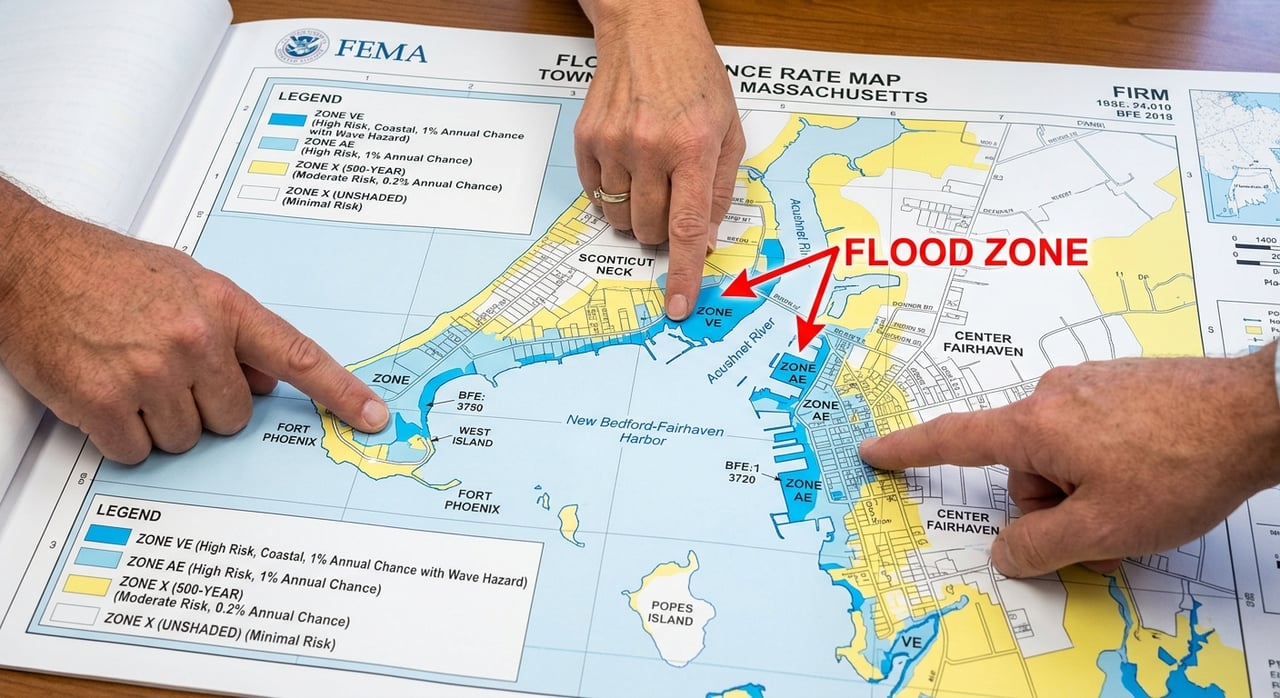
Flood zones are areas that have been mapped according to their potential flood risk. These maps are generally used by lenders, insurance companies, communities, and homeowners to understand where flooding is more likely to happen.
You may hear terms such as FEMA flood zones, Special Flood Hazard Areas, or simply "high-risk" and "low-risk" areas.
The designation attached to a property can affect things like flood insurance, financing, insurance costs, and future resale.
And there’s one thing buyers sometimes miss: a property can experience flooding even when it isn’t in a high-risk flood zone.
Flood maps are useful, but they aren’t a guarantee that a home will or won’t flood.
Why Flood Zones Matter in Fairhaven
Fairhaven is a coastal community, so water is naturally part of the landscape. That’s one of the reasons people love living here.
If you're still getting familiar with the area, it's worth learning what makes Fairhaven such an appealing place to live before deciding which neighborhoods and properties are right for you.
It can also mean that certain properties deserve a closer look when it comes to flooding.
If you’re considering a home near the coast, a pond, marshland, river, or another low-lying area, take the time to find out how the property is classified.
You’ll also want to look beyond the basic flood-zone designation.
Ask about the property's elevation, past flooding, drainage, foundation, and any previous insurance claims. A home that has never flooded can tell a very different story from one that has had repeated water issues.
Flood Insurance Can Affect Your Budget
One of the biggest surprises for buyers is the cost of flood insurance.
Depending on the property's location and risk factors, flood insurance may be required by your lender. Even when it isn't required, you may still decide that carrying coverage makes sense.
That cost needs to be part of your home-buying budget.
When you’re comparing two homes at similar prices, the one with higher insurance costs may end up being considerably more expensive to own each year.
Before you make an offer, get an insurance quote. It’s much better to know the number early than to discover it after you’re already emotionally committed to the house.
Your Mortgage Lender May Have Requirements
If you're financing the purchase, your lender will look at the property's flood designation as part of the loan process.
If the home is located in an area where flood insurance is required, the lender may require you to have a policy before closing.
That can affect your monthly housing expenses and, in some cases, the overall affordability of the property.
It's also important to consider how changing mortgage rates can affect your home-buying budget, especially when you're already accounting for flood insurance and other property-related costs.
This is one reason I recommend talking with your lender and insurance agent early in the process. You don't want flood insurance to become a last-minute surprise.
Check the Property, Not Just the Neighborhood
Two homes on the same street can have different flood risks.
That’s why it’s not enough to hear that a neighborhood is "in a flood zone" or "not in a flood zone."
Look at the individual property.
A buyer should consider:
The property's current flood-zone designation
The home's elevation and foundation
Whether the property has flooded in the past
Previous flood or water-related insurance claims
The cost and availability of flood insurance
Whether the home has a basement, crawl space, or other areas vulnerable to water
Any drainage or grading concerns around the property
Whether there are planned improvements or changes that could affect drainage
These questions can help you get a much clearer picture of what you're actually buying.
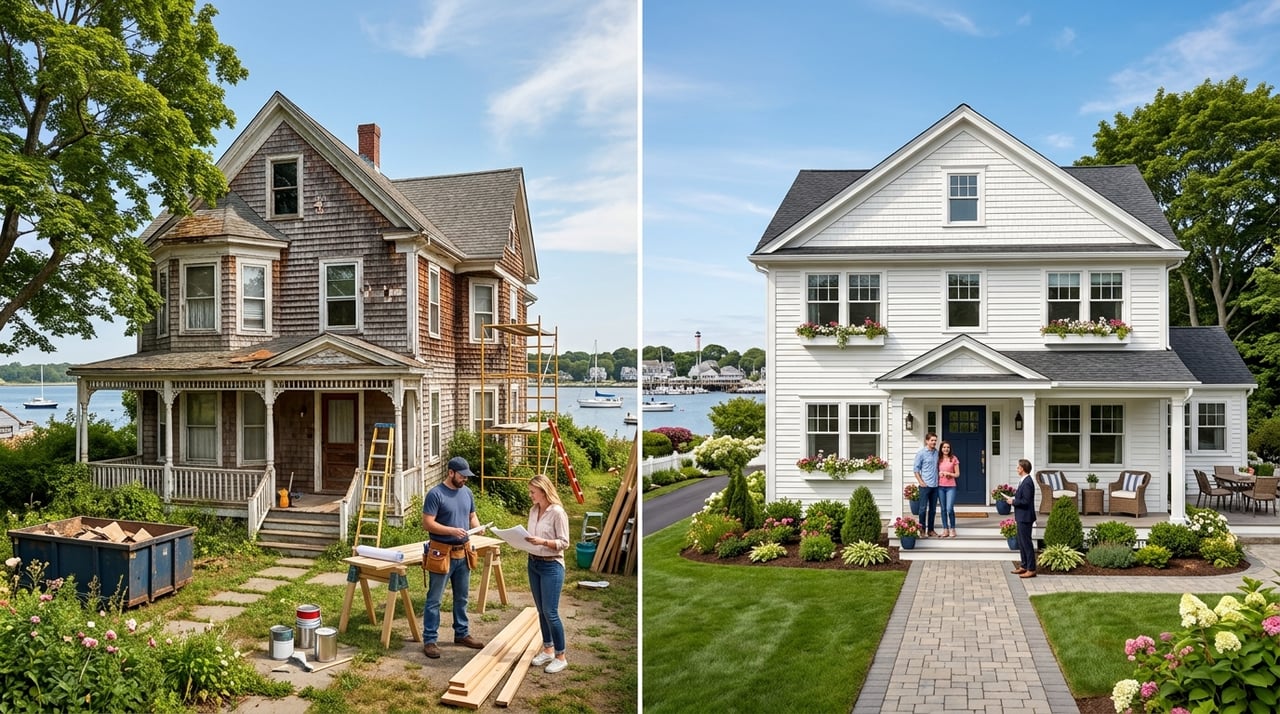
What About a Home That's Already Been Renovated?
Renovations don't automatically remove flood risk.
A beautifully updated kitchen, new flooring, or finished living space may make a house more appealing, but those improvements don't change the property's location.
If you're comparing properties, it's also worth considering whether a move-in-ready home is actually the better choice when evaluating the cost, condition, and potential work involved in a purchase.
If a home has been renovated after previous flooding, you'll want to know what work was done and whether it was properly permitted.
It's also worth asking whether mechanical systems, electrical components, heating equipment, and other important systems have been elevated or protected from potential floodwater.
Don't be afraid to ask questions. A good inspection and careful review of the property's history can give you valuable information before you move forward.
Can a Flood Zone Affect Resale?
It can.
When you eventually sell the home, the next buyer will probably have many of the same questions you have now.
They may want to know about flood insurance, previous flooding, elevation, and the property's flood-zone designation.
That doesn't mean a flood-zone property can't be a great investment or a wonderful place to live. It simply means the property has an additional factor that buyers and sellers need to understand.
If you're buying with the future in mind, it's worth considering how flood risk could affect the property's appeal and carrying costs down the road.
Don't Let the Flood Zone Make the Decision for You
A flood-zone designation is one piece of the home-buying puzzle.
It shouldn't automatically scare you away from a property, and it shouldn't be ignored just because you love the house.
The smart move is to get the facts.
Look at the flood map. Talk with your lender. Get an insurance quote. Review the property's history. Have the home inspected. If something doesn't make sense, ask questions before you sign.
For a Fairhaven buyer, this can make a big difference.
You may decide the property isn't right for you. Or you may find that the flood risk is manageable and the home is still exactly what you've been looking for.
Either way, you'll be making the decision with your eyes open.
Frequently Asked Questions About Flood Zones and Fairhaven Home Buying
Does being in a flood zone mean I can't buy the home?
No. You can still purchase a home in a flood zone. The bigger question is whether the property, insurance costs, financing requirements, and potential risks fit your plans and budget.
Will I have to buy flood insurance?
It depends on the property's flood risk and your mortgage lender's requirements. Some properties require flood insurance as a condition of financing, while other homeowners choose to carry coverage even when it isn't required.
Can a home outside a flood zone still flood?
Yes. Flood maps identify areas of potential risk, but they can't predict every flooding event. Heavy rain, drainage problems, coastal storms, and other conditions can cause flooding in areas that aren't considered high-risk.
How can I find out if a Fairhaven home is in a flood zone?
You can check the property's current FEMA flood-zone designation and discuss the results with your real estate agent, lender, insurance professional, or other qualified professionals. It's also a good idea to ask about the home's history and whether the property has experienced flooding before.
Should I avoid buying a home in a flood zone?
Not necessarily. Some buyers are comfortable with the additional insurance costs and risks, especially when the home offers other features they value. The key is knowing what you're getting into before you make the purchase.
Buying a Home in Fairhaven? Know the Details Before You Commit
Fairhaven has a lot to offer, especially if you love coastal living and the character that comes with a historic Massachusetts community.
If you're considering a home here, take your time with the details. A property's flood zone is one of them.
The goal isn't to make you nervous about buying near the water. It's to help you ask the right questions before you commit to a home.
A little extra research upfront can save you from an expensive surprise later.
If you're looking at homes in Fairhaven and aren't sure how a property's flood zone could affect the purchase, it's worth having a conversation before you make an offer. Understanding the property today can help you feel much more comfortable with your decision tomorrow.
Interested in learning more about Fairhaven? Explore the local attractions, amenities, and lifestyle here: https://susangordenryanluxury.com/neighborhoods/fairhaven
About the Author
Susan Gorden Ryan is a Luxury Real Estate Agent serving Southeastern Massachusetts & Rhode Island. She specializes in helping buyers and sellers navigate the local luxury real estate market with thoughtful, personal guidance. You can visit susangordonryanluxury.com or call Susan at (508) 208-1927.