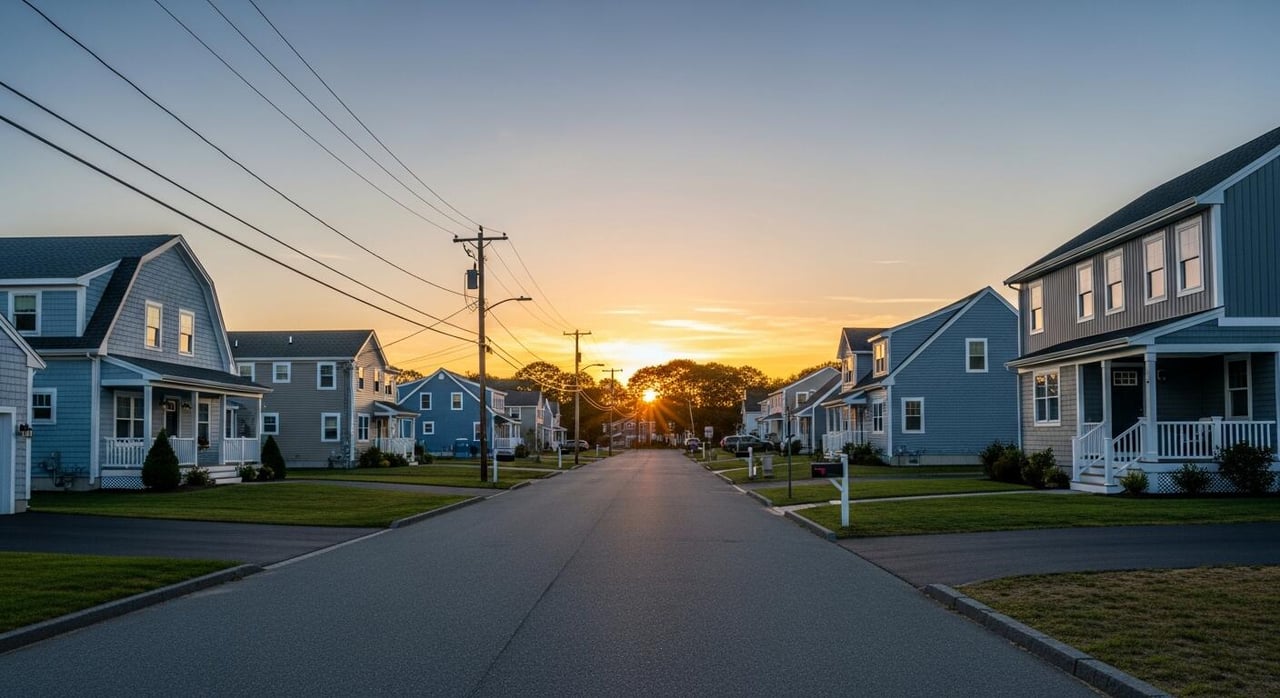
Finding the right neighborhood can be just as important as finding the right house. If you're buying a home in Wareham, spotting an area that’s starting to grow can help you build equity sooner and feel good about where you landed long term.
The tricky part is that these neighborhoods rarely feel “obvious” at the start. By the time everyone is talking about them, prices are usually already moving. So the goal is to notice the small shifts early.
Look for New Development
New construction is usually one of the first signals.
That doesn’t just mean single-family homes. It could be apartment buildings, mixed-use spaces, small retail plazas, or even roadwork that supports future growth.
When developers start putting money into an area, they’re usually betting on demand showing up soon. If you see multiple projects happening within the same pockets of town, it’s worth paying attention.
Watch Local Business Growth
New businesses changing hands or opening up can say a lot about where a neighborhood is headed.
Think coffee shops, small restaurants, fitness studios, local services. These don’t usually show up in places that feel stagnant. They go where people are starting to spend time and money.
Empty storefronts getting filled is another quiet signal. It’s not flashy, but it matters.
Check Property Trends
This is where things get more concrete.
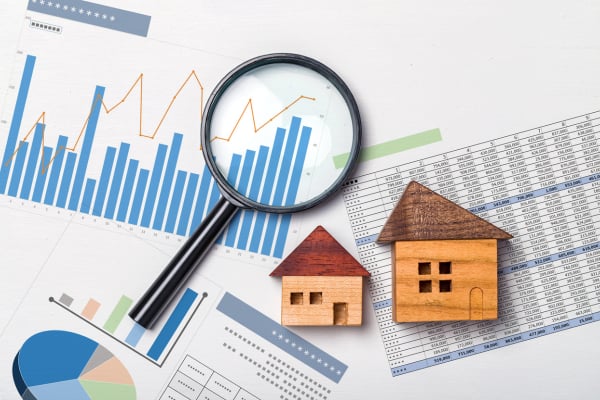
Look at how home prices have moved over the last few years. Steady growth usually means steady demand. Then check how fast homes are selling. If listings that used to sit are now going under agreement quickly, something is shifting.
Renovation activity is another clue. When homeowners start updating kitchens, siding, landscaping, it usually means they believe the area is heading in the right direction.
Pay Attention to Infrastructure Improvements
Road work, new sidewalks, park upgrades, utility improvements. These are easy to overlook, but they matter more than people think.
Local governments don’t usually invest in areas without long-term plans for growth. If access improves and the neighborhood becomes easier to live in, more people tend to follow.
It’s worth keeping an eye on town planning updates and public project announcements.
Look at Schools and Community Investment
Even if schools aren’t part of your personal plan, they still shape demand in an area.
Stronger schools, upgraded facilities, and active community programs reflect trends like school ratings and their impact on home purchases. The same goes for parks, recreation centers, and shared public spaces.
When people start putting down roots, neighborhoods tend to stabilize and grow in a more consistent way.
Spend Time in the Area
Data helps, but real life tells a different story.
Drive through in the morning and again in the evening. Walk around if you can. Look at how homes are cared for and how people use the space.
You’ll usually feel patterns before you can explain them. Fresh improvements, more activity outside, and busy local spots are all worth noting.
Even when exploring neighborhoods, it helps to think about long-term value factors such as evaluating waterfront properties without overpaying when comparing nearby areas.
A simple question helps here: does this feel like a place people are investing in, or just passing through?
Work With a Local Real Estate Professional
Online research only goes so far.
A local agent who works in and around Mattapoisett and Wareham will usually see patterns early. Things like buyer demand shifts, off-market interest, and upcoming developments don’t always show up in listings right away.
That kind of insight can help you spot opportunities before they become obvious, including understanding how long it takes to sell a house in Wareham.
Frequently Asked Questions
How can I tell if a Wareham neighborhood is becoming more desirable?
Look for new businesses, home updates, infrastructure work, and homes selling faster than they used to. Those shifts usually show growing interest.
Is buying in an up-and-coming neighborhood a good idea?
It can be, especially if you get in early. You may see stronger long-term appreciation, but timing the market perfectly is never guaranteed.
What role do local businesses play in neighborhood growth?
They’re often one of the clearest signals. When small businesses start moving in, it usually means more people are spending time in the area.
Are infrastructure projects a big deal?
Yes. Roads, parks, sidewalks, and public upgrades tend to make an area more attractive and easier to live in, which often brings more demand.
Should I only look at home prices?
No. Prices matter, but they don’t tell the full story. You also want to look at demand, community activity, and what’s changing on the ground.
How does a real estate agent help with this?
A local agent can spot early trends, talk to other professionals in the area, and see activity that hasn’t hit public listings yet.
Final Thoughts
Finding a strong neighborhood in Wareham isn’t about guessing the future. It’s about noticing patterns early and paying attention to what’s changing.
New development, small business growth, home improvements, and infrastructure upgrades all add up. None of them guarantee anything on their own, but together they paint a clearer picture.
If you stay observant and lean on local insight when you need it, you’ll usually spot the better opportunities before they become obvious.
Get a feel for life in Wareham and discover more here: https://susangordenryanluxury.com/neighborhoods/wareham
About the Author
Susan Gorden Ryan
Real Estate Agent in Mattapoisett, MA
susangordenryanluxury.com
(508) 208-1927