If you’re getting ready to sell your home in Wareham, a home inspection is one of those things you’ll want to think about before the buyer’s inspector arrives.
You don’t need to make your house perfect. You do want to take care of the small problems you already know about. A little preparation can make the inspection go more smoothly and may help prevent surprises during negotiations. It’s also helpful to consider planning your home sale timeline so you have enough time to address important maintenance items before listing.
Here’s where I’d start.
Take Care of Small Repairs
Walk through your home and look for things you’ve been meaning to fix.
A dripping faucet, loose handrail, cracked window, sticking door, missing outlet cover, or leaky toilet may seem minor. During an inspection, though, these things can stand out.
Make a simple list as you walk through each room. Fix what you reasonably can before putting the house on the market.
Check Your Heating and Cooling Systems
Make sure your heating and cooling systems are working properly.
Replace dirty filters and have your systems serviced if they haven’t been checked recently. If you have central air, heat pumps, a furnace, or another major system, keep any service records you have.
Those records can be helpful when buyers have questions about the age and condition of the equipment.
Look at the Roof and Gutters
You don’t necessarily need a new roof just because it’s older. But it’s worth checking for obvious problems.
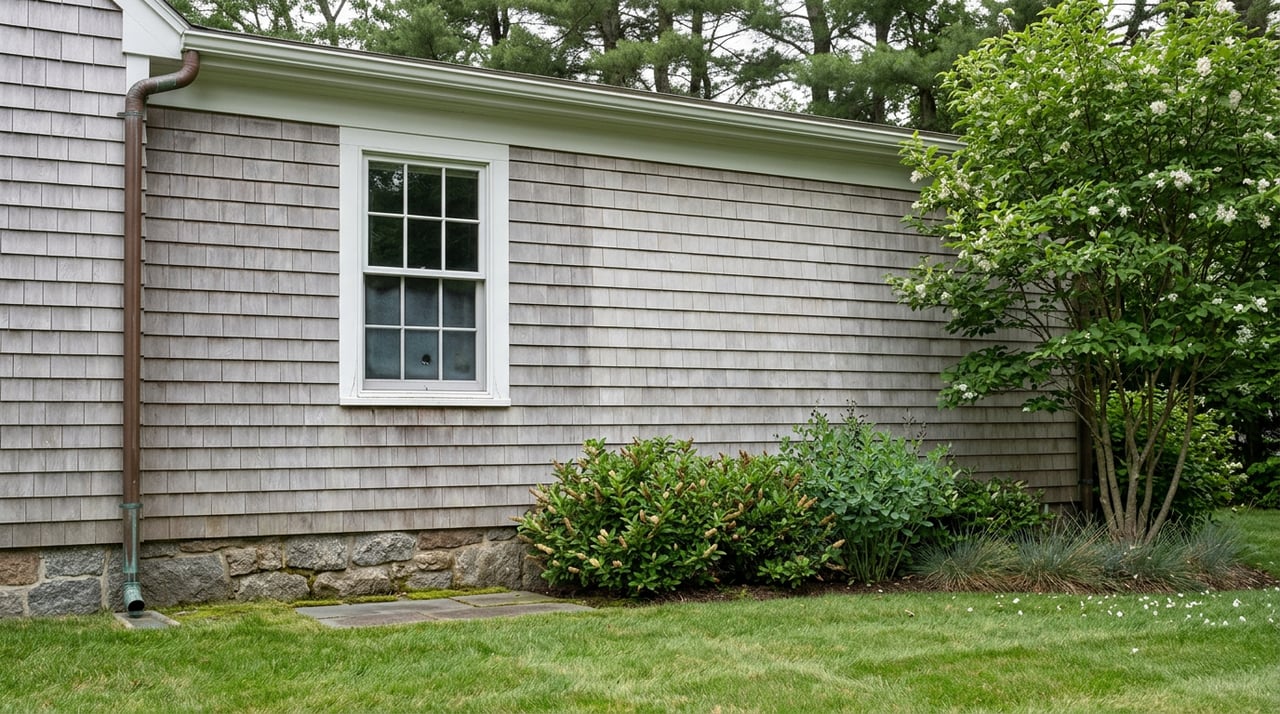
Look for missing or damaged shingles, signs of leaks, clogged gutters, and downspouts that aren’t directing water away from the house.
Water problems can get expensive quickly, so this is an area worth addressing before an inspection.
Check for Water and Moisture Problems
Walk around the basement, attic, bathrooms, kitchen, and other areas where moisture tends to show up.
Look for water stains, damp spots, musty smells, peeling paint, or signs of past leaks. If you’ve had a leak that was repaired, keep documentation of the work if you have it.
Don’t try to hide a problem. If there’s an issue, dealing with it early is usually much easier than waiting for the buyer’s inspection report to bring it up.
Make Sure the Inspector Can Reach Everything
This one gets overlooked.
The inspector needs access to important areas and equipment throughout the property. Clear boxes and storage items away from electrical panels, heating equipment, water heaters, attic access points, crawl spaces, and other areas that need to be inspected.
Knowing what buyers’ inspectors typically look for can also help you identify areas that should be accessible before inspection day.
If something is blocked, the inspector may not be able to fully evaluate it.
Test Smoke and Carbon Monoxide Detectors
Check that your smoke and carbon monoxide detectors are present and working.
Replace old batteries and any detectors that are no longer functioning properly. It’s a small task, but it’s worth handling before the inspection.
Look Outside, Too
The inspection isn’t just about the inside of the house.
Walk around the exterior and look for loose railings, damaged siding, deteriorated trim, drainage problems, cracked steps, or areas where water may be collecting near the foundation.
Trim back vegetation that is touching the house or blocking important areas.
Gather Your Home Records
If you’ve made improvements over the years, gather the paperwork you have.
This might include:
Roof or window replacement records
Heating and cooling service records
Plumbing or electrical work
Permits for renovations
Appliance information
Warranties
Receipts for major improvements
You don’t need a giant file box of paperwork. Just have the useful records available in case questions come up.
Don’t Go Overboard With Repairs
This is where sellers sometimes spend money they don’t need to spend.
You don’t have to renovate your kitchen or replace perfectly serviceable features just because you’re selling. If the kitchen is dated, for example, you may want to consider kitchen improvements that make sense before selling rather than automatically taking on a full remodel.
Focus first on maintenance, safety, water issues, and repairs that are likely to come up during an inspection.
If you’re unsure whether something is worth fixing, talk with your real estate agent before spending the money.
Keep the House Easy to Inspect
On inspection day, try to make the home comfortable and accessible.
Turn on utilities, leave keys or remotes for areas the inspector needs to access, and make sure rooms and equipment aren’t difficult to reach.
And if you have pets, make arrangements for them during the inspection. It makes things easier for everyone.
Frequently Asked Questions About Home Inspections in Wareham
Do I need to get a home inspection before selling my Wareham home?
Not necessarily. A seller’s inspection can be useful if you want to identify potential issues before listing, but it isn’t required in every sale.
Whether it makes sense depends on the property, its age, your knowledge of its condition, and your selling goals. Your real estate agent can help you decide if it’s worth doing.
What does a home inspector look for?
A home inspector generally evaluates the visible and accessible parts of the property, including major systems and components such as the roof, foundation, structure, electrical system, plumbing, heating and cooling, attic, basement, and exterior.
The inspection is not meant to guarantee that a home has no problems. It gives the buyer a better understanding of its condition.
Should I fix everything before the inspection?
No. Trying to fix every possible issue can quickly become expensive.
Start with problems that affect safety, water intrusion, major systems, or basic maintenance. If you’re unsure about a repair, discuss it with your agent before committing to the work.
Can a failed home inspection stop a sale?
A home inspection itself doesn’t automatically mean a sale will fall apart.
What happens after an inspection depends on the purchase agreement and negotiations between the buyer and seller. Buyers may ask for repairs, credits, a price adjustment, or other changes.
A well-prepared seller is usually in a better position to handle those conversations.
Should I be home during the buyer’s inspection?
It’s usually best to give the buyer and inspector some space to work.
Your agent can help coordinate access and answer questions that come up. Leaving the property during the inspection can also make it easier for the inspector to move through the home without interruptions.
What if the inspector finds something I didn’t know about?
That happens.
No home is perfect, and an inspection can uncover issues that weren’t obvious during everyday life in the house. The key is not to panic.
Review the report with your agent and decide which issues actually need attention. You don’t have to agree to every request from a buyer, and you don’t necessarily need to fix every item in the report.
Preparing Your Wareham Home for a Successful Sale
A little preparation can make a big difference when you’re selling.
Walk through your home with fresh eyes. Take care of the obvious maintenance issues. Make sure the inspector can access the major systems. Gather records for work you’ve already completed.
Most of all, don’t start spending thousands of dollars on repairs simply because you’re worried about an inspection. The right approach depends on your home, your price point, and what buyers are likely to notice.
Thinking About Selling Your Wareham Home?
If you’re considering putting your Wareham home on the market, it helps to have a plan before the listing goes live.
I can help you look at the property, identify the improvements that are worth considering, and decide where your money is best spent before selling. Sometimes the smartest move is making a few repairs. Sometimes it’s leaving things alone and pricing the home with the property’s condition in mind.
If you’re thinking about selling, let’s talk before you start tackling that to-do list. A little planning can save you time, money, and plenty of stress.
Get a feel for life in Wareham and discover more here: https://susangordenryanluxury.com/neighborhoods/wareham
About the Author
Susan Gorden Ryan is a Luxury Real Estate Agent serving Southeastern Massachusetts & Rhode Island.
(508) 208-1927