Buying a home in Wareham, MA is exciting. You’ve found a property you like, the numbers work, and you’re starting to picture yourself living there.
Then comes the home inspection.
This is where you get a closer look at what you’re actually buying. A good inspection can uncover small repairs, bigger problems, and things you may want to address before moving forward.
If you’re buying a home in Wareham, here are some of the main areas I recommend paying attention to.
Start With the Roof
The roof protects almost everything underneath it, so its condition matters.
Your inspector will look for signs of aging, damaged shingles, leaks, missing flashing, and other problems. If the roof is older, ask how much useful life it may have left. A roof doesn’t have to be failing to become an expense you need to plan for.
In a coastal community like Wareham, weather can also take a toll over time. That makes the roof worth a careful look.
Check the Foundation and Basement
Foundation issues can range from minor cracks to problems that need serious attention.
During the inspection, look for signs of water intrusion, cracks, dampness, mold, or unusual movement. If the home has a basement or crawl space, your inspector should pay close attention to those areas.
Water is a big one. A little moisture today can turn into a much bigger headache later if the source isn’t addressed.
If you’re concerned about previous work done to the property, it can also be helpful to research a property’s permit history before making a decision.
Pay Attention to the Heating and Cooling Systems
Ask about the age and condition of the heating and cooling systems.
In Massachusetts, a reliable heating system is a must. Your inspector can check whether the system is operating properly and point out visible concerns. You’ll also want to know whether the equipment is nearing the end of its expected service life.
If the home has central air conditioning, check that too. Replacing major mechanical systems can get expensive quickly.
Look Closely at Plumbing
Leaks aren’t always obvious.
The inspection should include visible plumbing, water pressure, fixtures, drains, pipes, and signs of previous leaks. Look under sinks and around water heaters for staining or moisture.
If the property is served by a private well or septic system, those systems deserve extra attention. A standard home inspection may not cover everything you need to know about them, so ask your inspector and your real estate agent whether additional inspections or testing make sense.
Don’t Ignore Electrical Problems
Older homes can sometimes have outdated electrical components.
The inspector will look at the electrical panel, accessible wiring, outlets, switches, and other visible components. They may flag safety concerns or areas that should be evaluated by a licensed electrician.
This is one of those areas where a small issue can sometimes point to a larger project, so it’s worth understanding what you’re dealing with before you buy.
Check the Windows, Doors, and Exterior
Walk around the outside of the house with your inspector if possible.
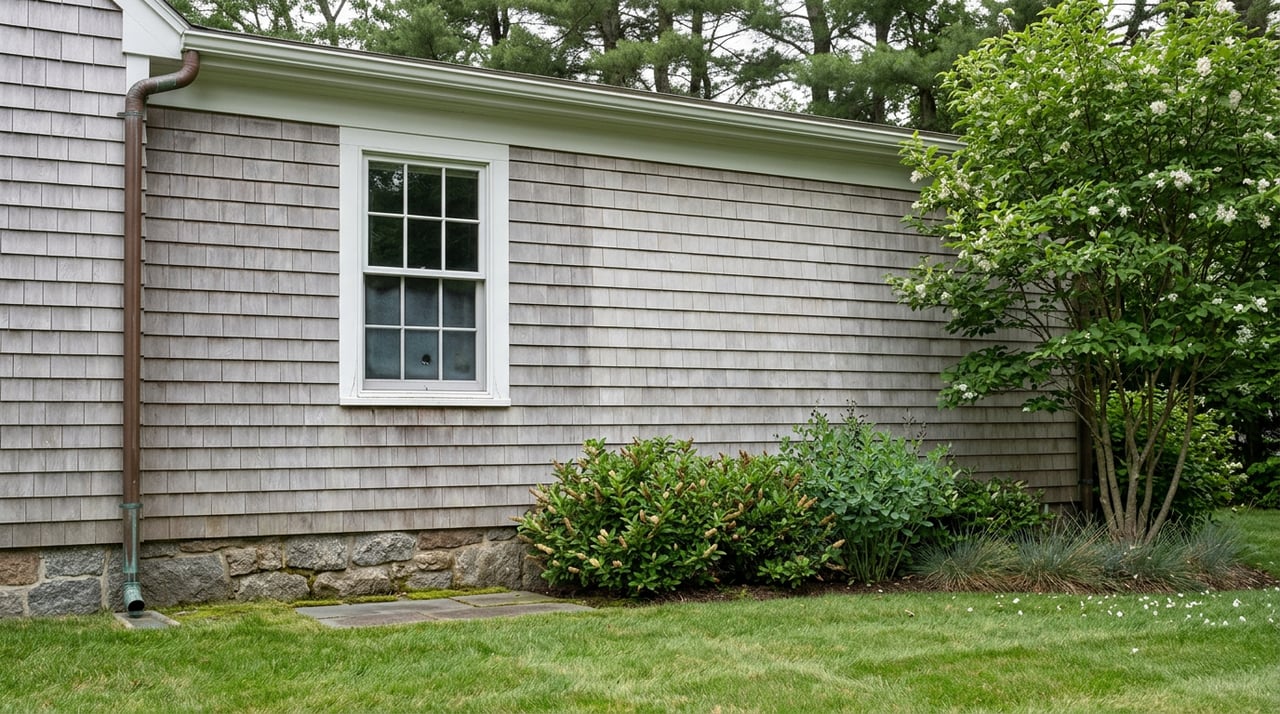
Look at the siding, trim, decks, porches, stairs, railings, windows, doors, and drainage around the property. Rot and water damage can sometimes hide in places that aren’t obvious during a quick showing.
You also want water to move away from the house, not toward it. Grading and drainage problems can contribute to basement and foundation issues.
Look for Signs of Water Damage
Water leaves clues.
Keep an eye out for stains on ceilings or walls, peeling paint, musty smells, damaged flooring, and discoloration around windows or plumbing fixtures.
The key question isn’t just, “Is there a stain?”
You want to know why it’s there and whether the underlying problem has been fixed.
Inspect the Attic
The attic can tell you a lot about a home.
Your inspector may check insulation, ventilation, roof framing, moisture, and signs of leaks or pests. Poor ventilation or moisture problems can create issues that aren’t visible from the living areas.
It’s easy to forget about the attic when you’re walking through a beautiful home. Don’t.
Check for Safety Issues
Some inspection findings are more urgent than others.
Your inspector may identify concerns involving handrails, stairs, smoke detectors, carbon monoxide detectors, electrical components, windows, or other safety features.
You don’t need to panic every time something shows up on an inspection report. Inspection reports can be long. The useful part is understanding which items are normal maintenance, which need attention soon, and which could become significant expenses.
Think About the Cost, Not Just the Finding
This is where having the right people around you can make a big difference.
A home inspection isn’t a pass-or-fail test. Most homes, especially older homes, will have something in the report.
The question is what those findings mean for you.
A loose railing is very different from a failing roof. A dripping faucet isn’t the same as a foundation problem. Your agent can help you put the findings into perspective and decide what deserves attention during the transaction, particularly when considering how long the home-selling process can take in Wareham.
If a repair is significant, you may also want estimates from qualified contractors. An inspector can identify a concern, but they usually aren’t there to give you an exact repair price.
FAQs About Home Inspections in Wareham, MA
Is a home inspection required when buying a home in Massachusetts?
A home inspection generally isn’t required by law for every home purchase, but it can be a very valuable part of the buying process. Your purchase agreement and financing situation can also affect what inspections or evaluations make sense.
If you’re buying a home, talk with your real estate agent about your specific situation before deciding whether to have an inspection.
How long does a home inspection take?
It depends on the size, age, and condition of the property. Many inspections take a few hours, but larger or more complicated homes can take longer.
If you can attend, it’s often helpful. You’ll have a chance to see issues firsthand and ask the inspector questions.
What happens if the inspection finds problems?
Finding problems doesn’t automatically mean you should walk away from the home.
Your next step is to understand the severity of the findings and the likely cost to address them. Depending on the situation and the terms of your purchase agreement, you may have options to discuss repairs, credits, price adjustments, or other solutions with the seller.
Your real estate agent can help you decide how to approach those conversations.
What are the biggest red flags during a home inspection?
Serious structural problems, significant water intrusion, major roof issues, unsafe electrical conditions, failing septic systems, and other major repairs can deserve closer attention.
That doesn’t mean every one of these findings is a deal breaker. The age of the home, repair costs, your budget, and your plans for the property all matter.
Should I get additional inspections?
Sometimes, yes.
A general home inspection gives you a broad look at the property, but certain concerns may call for a specialist. Examples can include septic systems, wells, chimneys, pests, structural issues, or environmental concerns.
If your inspector spots something that needs a closer look, don’t be afraid to bring in the right professional.
Should buyers attend the home inspection?
If your schedule allows, I usually recommend attending.
You’ll learn more about the home by walking through it with the inspector than you will from simply reading the final report. You can also ask questions as you go.
Just remember that the inspector is there to evaluate the property, so give them room to do their job and save detailed questions for the appropriate time.
A Home Inspection Is About Knowing What You’re Buying
The inspection is one of the most useful steps in the home-buying process because it gives you information you can act on.
You may find that the home is in excellent shape. You may discover a few repairs that need to be addressed. Or you may uncover a larger issue that changes the way you look at the property.
Whatever happens, having a clear understanding of the home puts you in a better position to make a decision.
Once you become the owner, having a maintenance schedule for your new home can also make it easier to stay ahead of routine repairs and larger future expenses.
If you’re looking at homes in Wareham, MA, I’d be happy to help you through the process. From choosing the right property to reviewing inspection concerns and negotiating with the seller, having an experienced local agent in your corner can make the experience much easier.
Buying a home is a big step. You shouldn’t have to figure it all out on your own.
Ready to Buy a Home in Wareham, MA?
If you’re thinking about buying in Wareham or another community in Southeastern Massachusetts, let’s talk.
I can help you understand what to look for before you make an offer, what questions to ask during the inspection, and how to approach issues that come up along the way.
Interested in learning more about Wareham? Explore the local attractions, amenities, and lifestyle here: https://susangordenryanluxury.com/neighborhoods/wareham
About the Author
Susan Gorden Ryan is a Luxury Real Estate Agent serving Southeastern Massachusetts and Rhode Island. She helps buyers and sellers navigate the local real estate market with practical guidance and personal attention. To learn more, visit susangordonryanluxury.com or call (508) 208-1927.