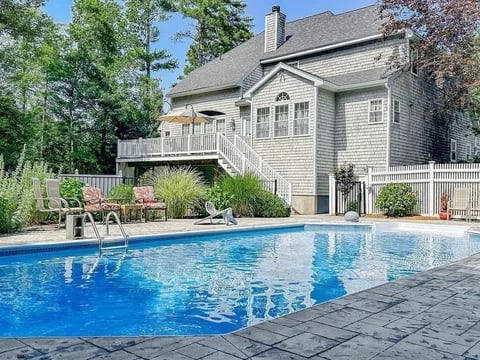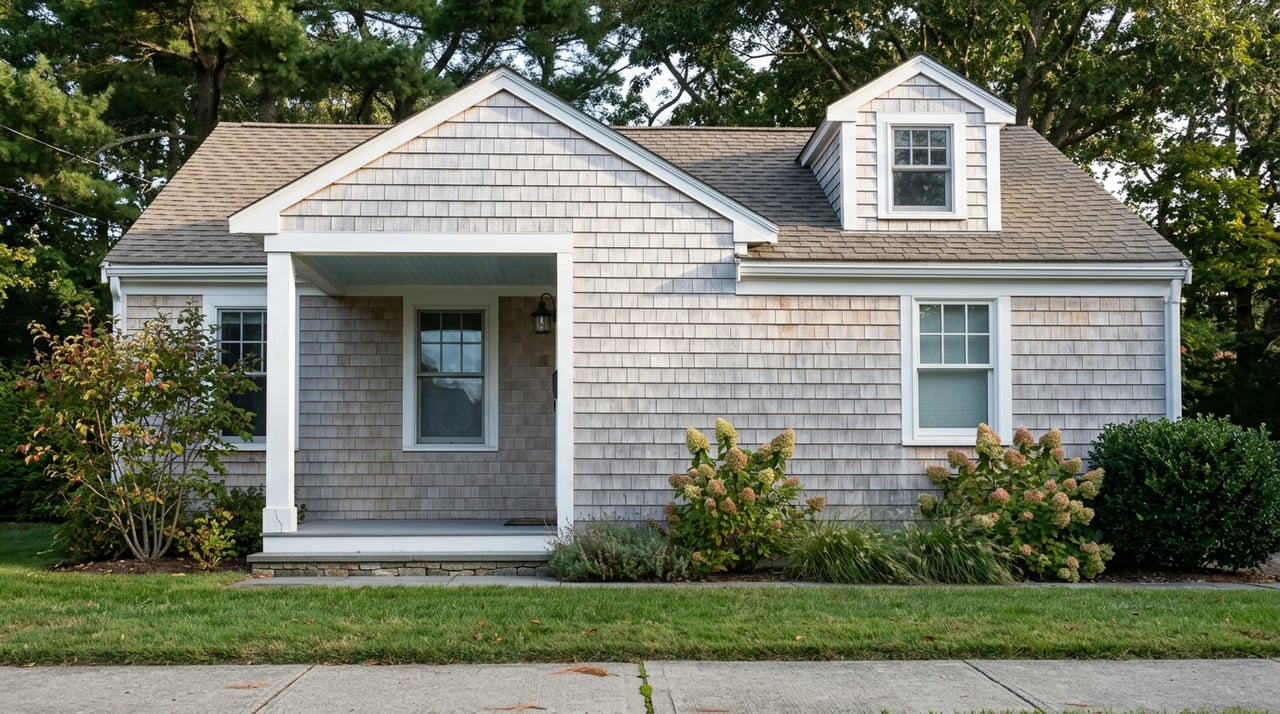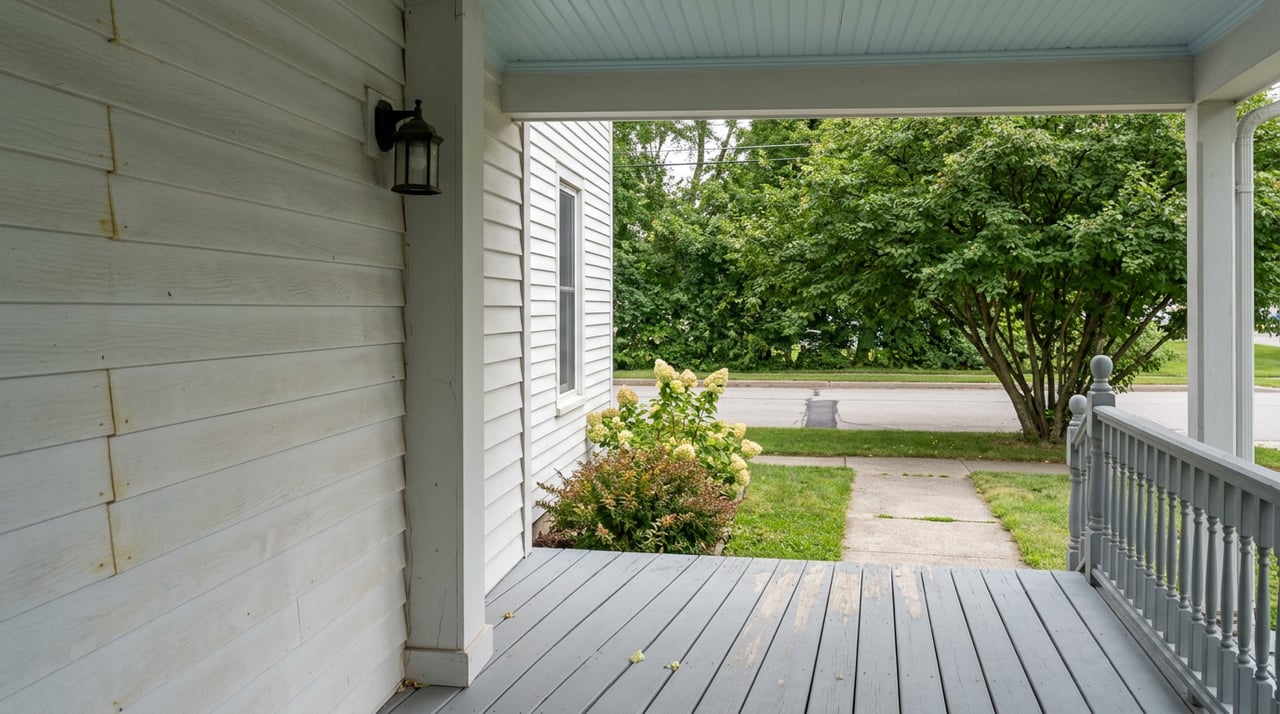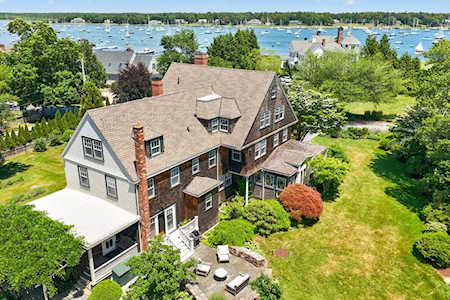
If you’re looking at homes in Marion, Massachusetts, you’ll quickly notice something. “Marion” can mean very different things depending on where you are in town.
Marion Village has a distinct feel. You’re closer to the harbor, historic homes, shops, public spaces, and some of the town’s most recognizable waterfront scenery. A few minutes away, the setting can change quite a bit. You may find larger lots, more privacy, newer homes, or a quieter residential feel.
That difference matters when you’re buying here.
The Town of Marion’s historic survey divides the community into five broad areas: Marion Village, Old Landing, South Marion, East Marion, and North and West Marion. The boundaries aren’t always exact, but they’re helpful when thinking about how different parts of town developed.
Marion Village: Character, Convenience, and the Harbor
Marion Village is the heart of town.
The area, also known historically as Sippican, Wharf Village, or Lower Village, developed around Sippican Harbor and became Marion’s municipal, commercial, and maritime center.
This is where you’ll find many of the homes buyers picture when they think of classic Marion. Historic houses sit close to the street. There are sidewalks, mature trees, waterfront views, and a strong connection to the harbor.
Some properties are remarkably old, while others are later homes that still fit naturally into the historic streetscape. The village has a particularly strong concentration of Federal, Greek Revival, and Victorian-era architecture.
For buyers who want to walk to parts of town rather than drive everywhere, Marion Village has a real advantage.
You’re also buying into a very particular sense of place.
That can be wonderful. It can also mean more to think about when you’re considering renovations, additions, exterior changes, or landscaping. Part of the village falls within Marion’s local historic district, where certain exterior changes are subject to review.
If you fall in love with an older village home, make sure you understand what you can and can’t change before you make an offer.
Old Landing and Upper Village
North of the village, Old Landing, sometimes called Upper Village, has its own history and personality.
The area is one of Marion’s earliest settlement areas. It was also home to the railroad depot and is associated with Tabor Academy.
For a buyer, this part of town can offer a nice middle ground. You still get historic Marion character, but the experience can feel less centered on the harbor than living right in the village.
If you like older homes and want a quieter setting while staying connected to Marion’s historic core, it’s worth looking here.
South Marion: More Space and a Residential Feel
South Marion stretches toward Converse Point and includes areas that developed as Marion became a popular summer destination.
Compared with the village, residential properties here can feel more spread out. You may see larger homes, more privacy, and more of a residential neighborhood atmosphere.
Waterfront properties can be especially appealing in this part of town, but they come with questions that deserve a close look. Waterfront access, flood exposure, insurance, seawalls, docks, drainage, and coastal regulations can all affect the ownership experience.
And don’t assume that two homes with similar water views will have similar costs or restrictions. They may not.
East Marion, Great Neck, and Sippican Neck
East Marion, also referred to as Great Neck in the town’s historic planning documents, includes areas around Great Hill, Sippican Neck, and Planting Island.
This is where the landscape can start to feel more private and tucked away.
Buyers who want a coastal setting without being in the middle of the village often find this part of Marion interesting. Depending on the property, you may get more land, water access, wooded surroundings, or a stronger feeling of being away from the center of town.
There are also several beaches and waterfront areas around Marion, including Silvershell Beach, Planting Island, Piney Point, Dexter Beach, and others.
For someone who plans to spend a lot of time outside, that can make a big difference.
North and West Marion
If you head inland and beyond Route 6, the character changes again.
North and West Marion is more spread out and includes significant open space along with newer development.
This is often worth considering if your priorities are privacy, land, and a quieter residential setting rather than being close to the village waterfront.
You may also find that your daily routine looks different here. You’ll probably rely more on your car, but in exchange, you can get a little more breathing room.
For some buyers, that’s exactly what they want.
Waterfront Living Isn’t the Same Everywhere in Marion
One mistake buyers sometimes make when they first start looking in Marion is treating all waterfront property as though it’s the same.
It isn’t.
A home on the harbor can have a very different setting from a property along one of Marion’s coves, points, or riverfront areas. The view, water access, dock situation, shoreline, and surrounding development can all vary.
Marion also has specific rules covering waterways, boat berths, dinghies, and other waterfront uses.
There are even zoning provisions addressing waterfront compounds on large tracts of land along tidal water.
If waterfront living is high on your list, look beyond the listing description. Ask questions about the actual water rights and access, the condition and ownership of docks or seawalls, floodplain permits and coastal regulations, flood considerations, and any restrictions that come with the property.
Those details can matter just as much as the house itself.
Which Part of Marion Is Right for You?
It really comes down to how you want to live.
If you want historic architecture, a strong village atmosphere, and easy access to the harbor and central Marion, start with Marion Village.
If you like historic character but want a somewhat quieter setting, Old Landing may be worth exploring.
If you want a coastal home with more space and privacy, look toward South Marion, Converse Point, Great Neck, or Sippican Neck.
And if you’d rather have more land and a quieter setting away from the waterfront activity, North and West Marion may be a better fit.
There’s no single “best” neighborhood in Marion.
The right one depends on what you want your everyday life to look like.
Do you want to walk down to the harbor in the evening? Do you want a big yard where you can disappear for a while? Is privacy more important than being close to town? Are you looking for a historic home, a newer property, or a waterfront estate?
Those answers can narrow the search quickly.
A Few Things to Look at Before Buying
Wherever you decide to look in Marion, I’d pay close attention to a few things beyond the obvious condition of the house.
Check the property’s relationship to the water. A water view and direct waterfront are very different things.
Understand historic restrictions. If the property is within the Marion Village Historic District, exterior changes may be subject to review.
Look at flood and coastal considerations. This is especially important for waterfront and low-lying properties. Before making an offer, understand flood zones when shopping for a Marion home and how they could affect insurance, renovations, and long-term ownership costs.
Think about year-round living. Some homes in Marion were originally built as seasonal residences and later converted for year-round use. Marion has a long history as a summer community, and that history is still reflected in some of its housing stock.
Look beyond the house. In a coastal town like Marion, the lot, water access, privacy, road, neighboring properties, and location can have a major impact on how much you enjoy the home.
And when you’re comparing two properties, don’t just compare the houses.
Compare the lifestyles.
That’s often where the real difference is.
Frequently Asked Questions About Living in Marion, MA
Is Marion Village a good place to live?
Yes, especially if you enjoy historic homes, a walkable village setting, and being close to Sippican Harbor. Marion Village has a strong sense of place and is one of the areas buyers tend to consider when they want the classic Marion experience.
The tradeoff is that properties can come with more historic character to maintain, smaller lots in some locations, and additional considerations if the home falls within the local historic district.
What are the main areas of Marion, Massachusetts?
Marion is commonly discussed in terms of Marion Village, Old Landing, South Marion, East Marion, and North and West Marion.
Within those broader areas, you’ll also hear names such as Great Neck, Sippican Neck, Converse Point, and other smaller locations.
For homebuyers, these names matter because the setting can change quite a bit from one part of town to another.
Is Marion Village walkable?
Marion Village is one of the more convenient areas of town for buyers who want to be close to the harbor, village amenities, and public spaces.
That doesn’t mean you can do everything on foot. Your exact location matters. Still, compared with more spread-out areas of Marion, village living can make it easier to incorporate walking into your daily routine.
Are homes in Marion Village mostly historic?
Many are, but not every home is historic.
Marion Village has a concentration of older homes and historic architecture, including Federal, Greek Revival, and Victorian-era properties. You’ll also find homes from later periods.
If the age and architectural history of a property matter to you, look at the individual home rather than assuming every property in the village has the same restrictions or history.
Is waterfront property in Marion a good investment?
Waterfront property can be highly desirable, but it shouldn’t be evaluated on the view alone.
Before buying, look carefully at flood exposure, insurance, shoreline conditions, water access, docks, seawalls, maintenance, and applicable regulations. Two waterfront homes can have very different ownership costs and limitations.
A good local agent can help you identify the questions that need to be answered before you move forward.
The Bottom Line
Marion Village has a charm that’s hard to duplicate. The historic homes, harbor, sidewalks, and village atmosphere create a setting that many buyers specifically seek.
But Marion has much more to offer outside the village.
The town’s different areas give buyers choices, from historic neighborhoods and harborfront homes to private coastal properties and larger inland lots. The best fit depends on what you value most in your home and in your day-to-day life.
If you’re considering buying in Marion, take the time to explore more than one part of town. Drive the streets. Walk the neighborhoods. See how each area feels at different times of day.
You may start your search thinking you want to live in Marion Village and end up falling for a quieter property somewhere else.
Or you may discover that the village is exactly where you belong.
If you’re also thinking about the broader Marion real estate market, it can help to understand how long it takes to sell a home in Marion and what that may mean when evaluating your options as a buyer or future seller.
Learn more about the neighborhoods, amenities, and local experiences that define Marion here: https://susangordenryanluxury.com/neighborhoods/marion
About the Author
Susan Gorden Ryan is a Luxury Real Estate Agent serving Southeastern Massachusetts & Rhode Island. She specializes in luxury real estate and helps buyers navigate the coastal Massachusetts and Rhode Island markets. Visit susangordonryanluxury.com or call (508) 208-1927 to learn more.