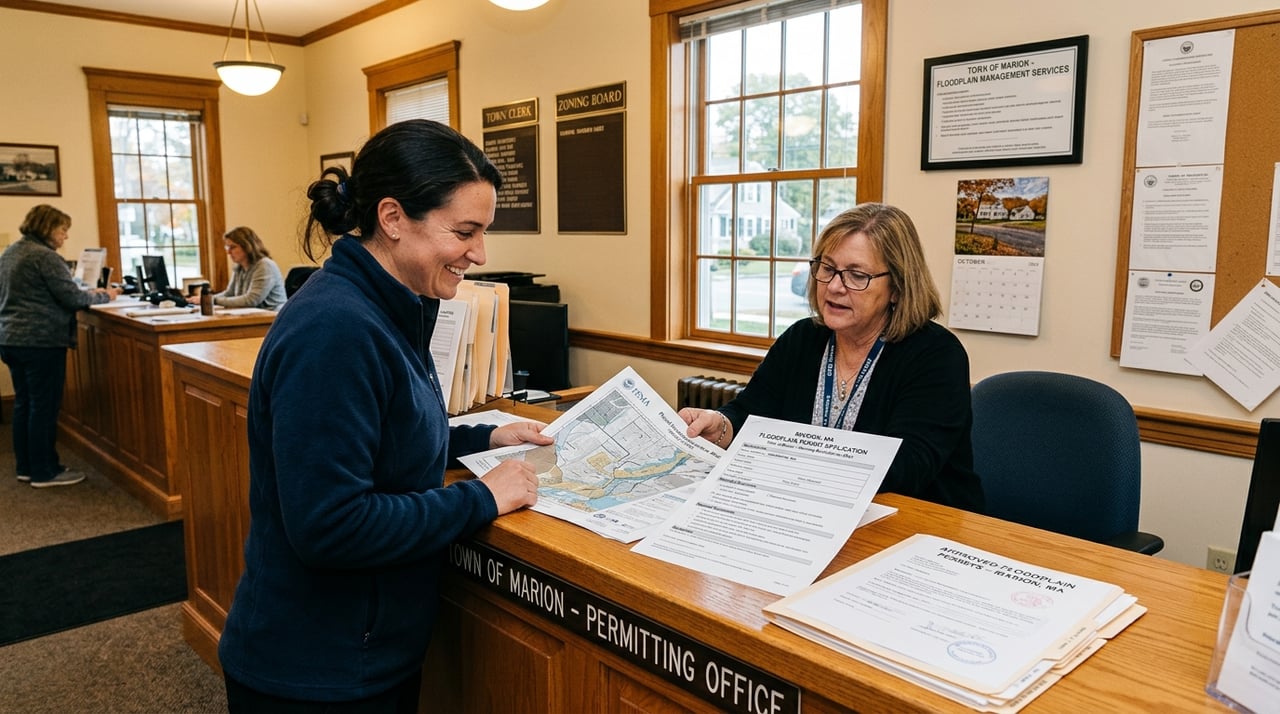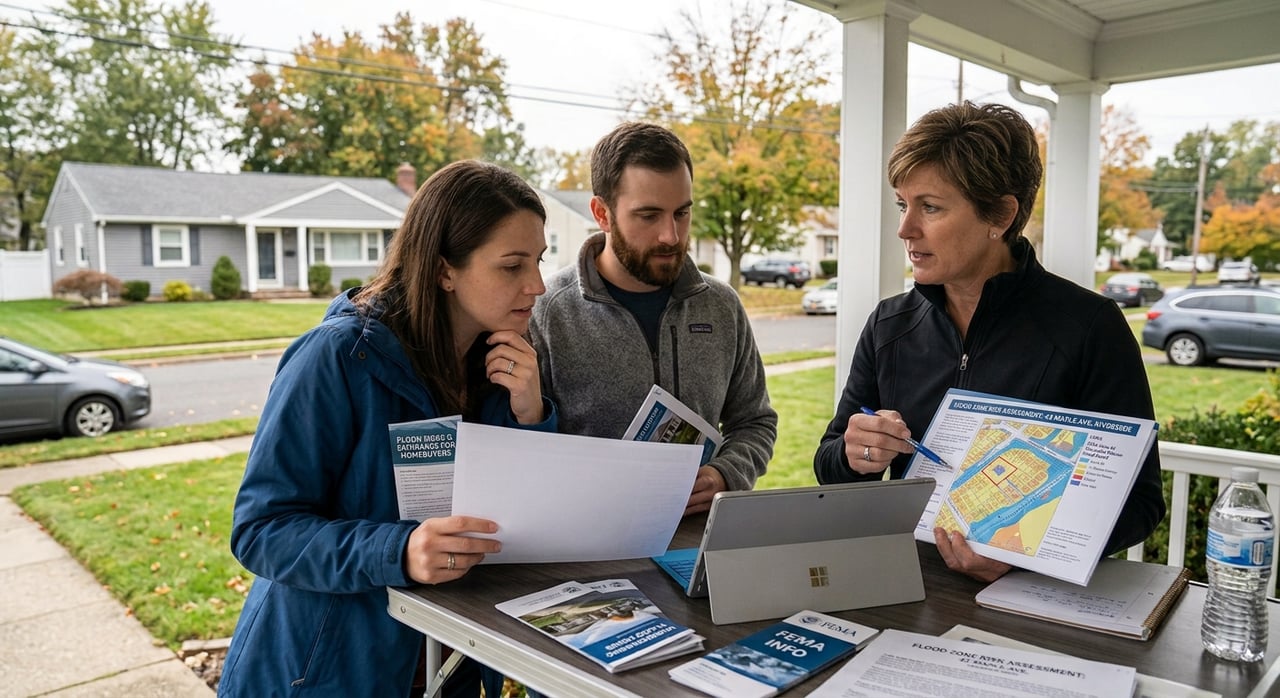
If you’re looking at homes in Marion, MA, you’ve probably noticed that some properties come with a flood-zone designation.
That can raise a lot of questions.
Does it mean the house floods? Will flood insurance be expensive? Can you get a mortgage? Will it be harder to sell the home later?
The answer to each one is, “It depends.”
A flood-zone designation is useful information, but it shouldn’t be the only thing that determines whether you buy a property. The better approach is to understand what the designation means for that particular home and factor those details into your decision.
A Flood Zone Isn’t the Same as a Flooded House
This is one of the first things I’d want a buyer to understand.
Being located in a mapped flood zone doesn’t mean a home has flooded, and being outside a high-risk zone doesn’t mean flooding is impossible.
Flood maps are designed to show areas with different levels of flood risk. They’re helpful, but they don’t tell the entire story of an individual property.
Two homes a few streets apart can have very different situations based on elevation, drainage, construction, proximity to the water, and past improvements.
So don’t stop at the map.
Look at the house itself.
Know What You’re Actually Paying For
When you’re comparing homes, it’s easy to focus on the purchase price, taxes, and homeowners insurance.
With a property that has flood exposure, I’d add another number to the conversation: the potential cost of flood insurance.
Depending on the property, flood insurance may be required by your lender. Even when it isn’t required, you may decide the additional coverage makes sense.
Get a quote before you become too emotionally attached to the house. It’s much easier to make a clear decision when you know what the insurance could cost.
A home that looks like a bargain at first may not feel quite as affordable once you add the full cost of ownership.
Your Lender May Have Questions, Too
Flood-zone information can matter during the mortgage process.
If the property is in a higher-risk flood area, your lender may require flood insurance as a condition of the loan. The lender may also request additional documentation.
This is a good reason not to leave the flood-zone conversation until the last minute.
If you’re serious about a property, ask your lender early. You want to know whether the location creates any additional insurance or lending requirements before you’re deep into the transaction.
Look Beyond the Flood Map
When you’re buying a home, you’re buying more than its location on a government map.
Take a good look at the property.
Where does water go during a heavy storm? Is there a basement or crawl space? Where are the heating system, electrical equipment, and other major systems located?
Ask whether the seller has experienced water intrusion or flooding in the past.
And don’t be afraid to ask about things that may seem minor. A history of water in a basement, recurring drainage problems, or storm-related repairs can tell you more about the property than a flood-zone designation alone.
Your home inspection is another important piece of the puzzle.
Ask for the Property’s History
A seller’s knowledge of the home can be extremely helpful.
Ask about previous storm damage, water intrusion, insurance claims, repairs, and major improvements. If there have been issues, find out what was done to address them.
You may also want to ask whether the seller has documents related to flood insurance, elevation, previous repairs, or major improvements.
You don’t need to assume the worst if there’s a history of water damage.
You just want to know what happened.
There’s a big difference between buying a home with an issue you understand and buying one with an issue you discover after closing.
Think About Resale Before You Buy
This is something buyers sometimes overlook.
You may love the home and plan to stay there for 20 years. That’s great. But circumstances change, and someday you may need to sell.
Future buyers are likely to have many of the same questions you have today.
What is the flood zone? What does insurance cost? Has the property flooded? Are there elevation records? What kind of storm protection or drainage improvements are in place?
A well-documented property can make those conversations much easier.
When you’re buying, think about what information you’ll want to have available when it’s your turn to sell.
Don’t Let a Waterfront Location Distract You From the Numbers
Marion is known for its coastal character, beautiful surroundings, and homes in some truly special locations.
That’s part of the appeal.
It’s also why buyers need to look carefully at the financial side of a property. The closer a home is to the water or other areas with potential flood exposure, the more important it becomes to understand the ongoing costs and risks.
A spectacular view is wonderful.
Just make sure you know what comes with it.
Your Offer Should Be Based on Information
Before making an offer on a Marion property in a flood zone, gather as much property-specific information as you reasonably can.
That may include:
The property's current flood-zone designation
A flood insurance quote
Homeowners insurance information
The seller's knowledge of past flooding or water damage
Inspection findings
Available elevation information
Any relevant insurance claim history
Information from your lender about flood insurance requirements
Your estimated annual cost of owning the property
You don’t need every answer before you can decide whether you like the house.
But you should have enough information to understand what you’re getting into.
Should You Avoid Buying a Home in a Flood Zone?
Not necessarily.
For some buyers, the location and property are worth the additional cost and consideration.
For others, the insurance expense or flood exposure may make another home a better fit.
That’s a personal decision.
My job as your real estate agent isn’t to tell you that a flood-zone property is automatically good or bad. It’s to help you identify the questions that need answers so you can make the decision that makes sense for you.
And if a property has a beautiful location but comes with higher ownership costs, you should know that before you write the offer.
Frequently Asked Questions About Buying a Home in a Flood Zone in Marion, MA
Does being in a flood zone mean the home has flooded before?
No. A flood-zone designation describes the property's mapped flood risk. It doesn’t automatically mean the home has flooded.
That’s why it’s worth asking the seller about the property’s history and having a professional inspection.
Will I have to buy flood insurance?
It depends on the property, its flood-zone designation, and your mortgage lender’s requirements.
If flood insurance may be required, get a quote early in the buying process. You’ll want that cost included when you’re figuring out your monthly and annual housing expenses.
Can I get a mortgage on a home in a flood zone?
In many cases, yes. However, properties in certain flood-risk areas can have additional insurance requirements tied to the mortgage.
Your lender can tell you exactly what applies to the property you’re considering.
Is flood insurance included in homeowners insurance?
Generally, standard homeowners insurance does not cover flooding from outside water sources. Flood insurance is a separate type of coverage.
Your insurance professional can explain what is and isn’t covered for a specific property.
Should I still buy a home if flood insurance is expensive?
That depends on your budget and how much you value the property.
If you love the home, it may still make sense. But don’t ignore the number. Add the insurance cost to your other ownership expenses and see how the full picture looks.
Can a home outside a high-risk flood zone still flood?
Yes.
Flooding can happen for many reasons, including heavy rainfall, drainage problems, coastal storms, and other conditions that may not be reflected in the way buyers expect from a flood map.
Being outside a high-risk area doesn’t mean there is no flood risk.
What should I ask the seller about flooding?
Ask whether the home has ever experienced flooding, water intrusion, storm damage, or related repairs.
You can also ask about previous insurance claims, basement or crawl-space water, sump pumps, drainage issues, and repairs made after major storms.
The goal isn’t to make the seller nervous. You’re simply trying to understand the home's history.
Can flood-zone information affect the home's resale value?
It can be a consideration for future buyers, particularly if the property has higher insurance costs or a history of flooding.
That doesn’t mean a flood-zone home can’t be a good investment or an excellent place to live. It simply means buyers should understand the property's situation and keep good records for the future.
What should I do before making an offer?
Start with the basics.
Confirm the property's flood-zone designation, get an insurance quote, talk with your lender, review available property disclosures, and have the home professionally inspected.
If you’re still comfortable with the property after doing your homework, you can move forward with a much clearer picture.
A Marion Home Should Feel Right Financially, Too
Buying a home in Marion is about more than finding a house you love.
You’re choosing a location, a lifestyle, and a long-term financial commitment.
For coastal and waterfront properties, understanding flood risk is simply part of doing your homework. It doesn’t have to take away from the excitement of buying a home. In fact, knowing the numbers and asking the right questions can give you more confidence when it’s time to make a decision.
If you’re considering a home in Marion and you’re unsure how its flood-zone designation could affect the purchase, let’s talk about it.
I can help you identify the questions to ask, gather the property information you need, and connect you with the insurance, lending, inspection, and other professionals who can provide answers specific to the home.
The goal is simple: you should know what you’re buying before you buy it.
And when the right Marion property comes along, you can move forward knowing you’ve done your homework.
This article is for general informational purposes and is not legal, insurance, lending, engineering, or floodplain-management advice. Flood maps, insurance requirements, lending guidelines, and property-specific conditions can change. Buyers should consult the appropriate professionals and verify current information before making a purchase.
About the Author
Susan Gorden Ryan is a Luxury Real Estate Agent serving Southeastern Massachusetts & Rhode Island. You can learn more at susangordonryanluxury.com or call (508) 208-1927.