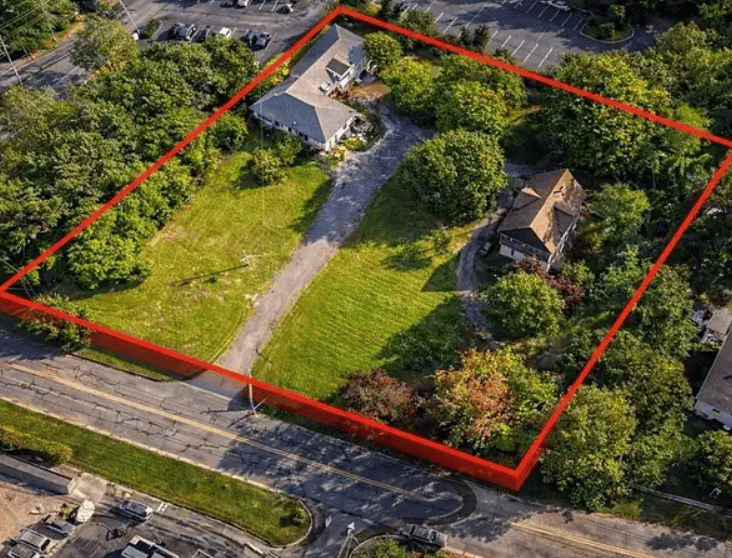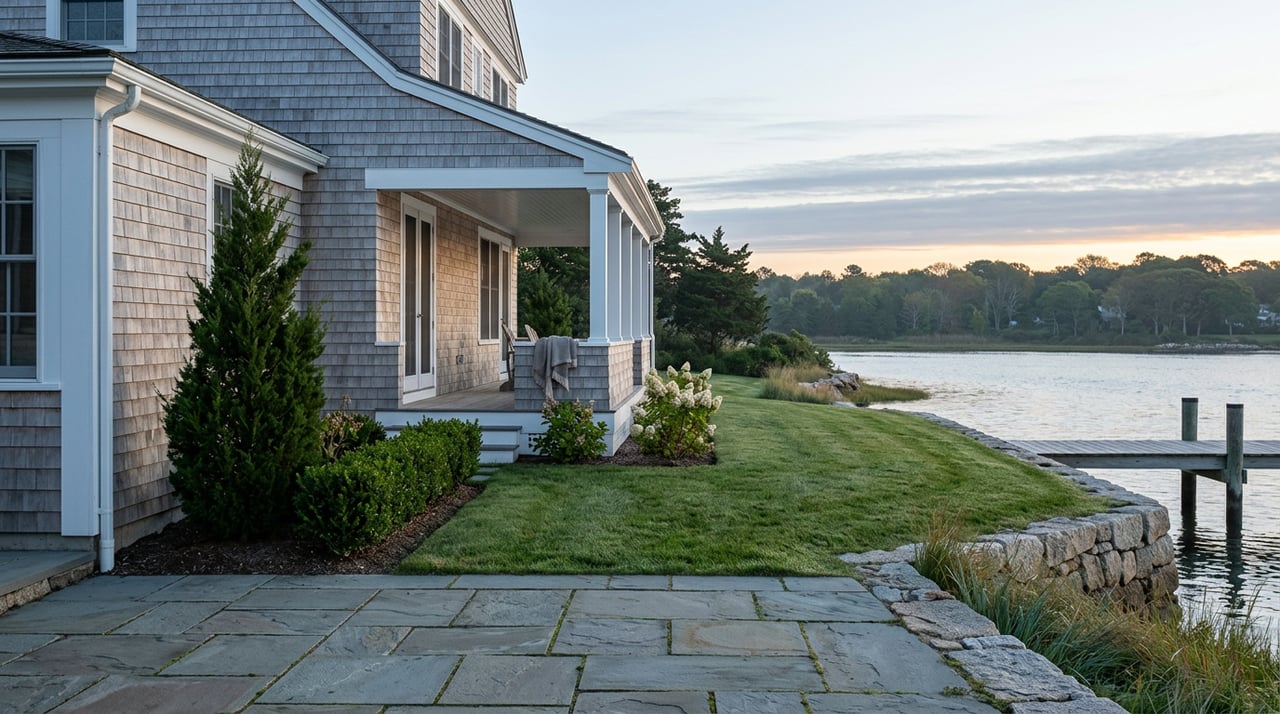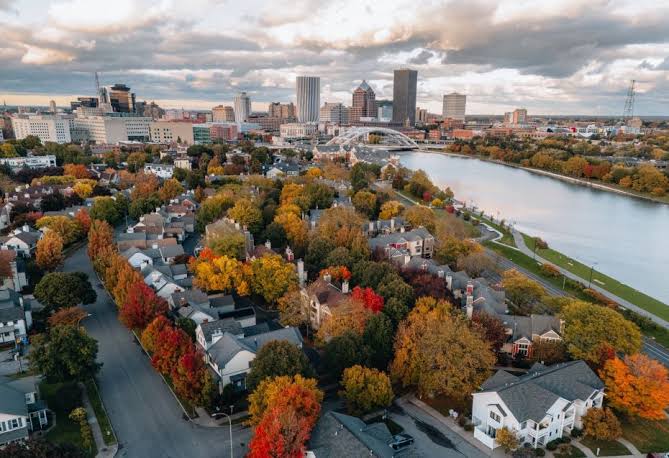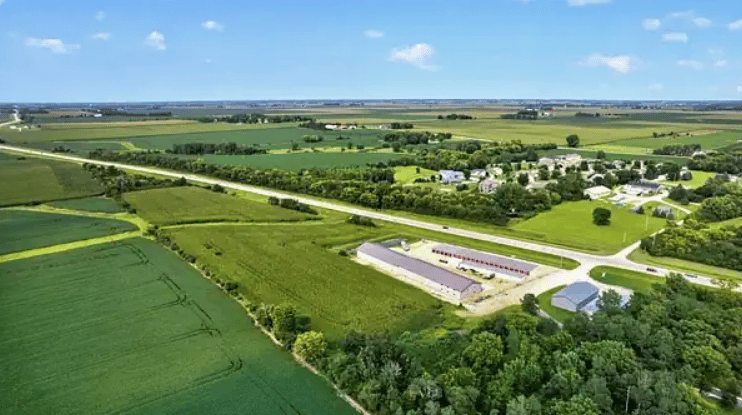
Buying vacant land in Rochester, Massachusetts can be a great way to create the home you want from the ground up. You get more control over the property, the house, the layout, and the setting.
But there’s a big difference between buying a piece of land and buying a piece of land you can actually build on.
That’s where you need to slow down and do your homework.
Before you make an offer, you’ll want to understand the zoning, access, utilities, septic options, wetlands, and any other restrictions that could affect what you can do with the property.
Start With Zoning
The first question is simple: Can you build what you want to build there?
A vacant lot may look perfect when you walk it. That doesn’t mean it meets the town’s current requirements for a home.
Zoning rules can affect things like the type of home you can build, setbacks from property lines, lot size, frontage, accessory structures, and other aspects of development.
Before getting too attached to a property, check with the Town of Rochester and confirm how the land is zoned and what that zoning allows.
And don’t rely on a listing description alone. A property being advertised as “buildable” doesn’t replace your own due diligence.
Find Out How You’ll Handle Septic
Many properties in this area aren’t connected to public sewer, so septic can be one of the biggest pieces of the puzzle.
You’ll want to know whether the soil can support a septic system and where that system could potentially go on the lot. Massachusetts has specific requirements under Title 5 for the design and installation of septic systems, and the local Board of Health plays an important role in the approval process.
This matters because a lot that looks large enough for a house may not have enough usable area once you account for the house, septic system, reserve area, driveway, setbacks, and environmental restrictions.
If septic is needed, having the property evaluated early can save you from an expensive surprise later.
Check for Wetlands and Other Environmental Restrictions
Rochester has plenty of natural beauty, which is part of what makes the area so appealing.
It can also make land development more complicated.
Wetlands, streams, ponds, wooded areas, and other protected resources may limit where you can clear, excavate, install a driveway, or build.
If a property appears to have wetlands or other sensitive areas, bring in the right professionals before you assume the entire parcel is available for development.
You may also need to work with the appropriate local conservation authorities before certain work can move forward.
Rochester’s rural landscape is part of its appeal, but it’s also something buyers should understand when evaluating how a parcel can be developed.
Make Sure You Have Legal Access
This one can be easy to overlook.
A parcel may appear to have a road nearby, but you need to know that you actually have legal and practical access to the property.
Check the deed, recorded plans, and any easements affecting the land. If access crosses someone else’s property, make sure the easement gives you the rights you need.
Understanding property easements and your rights as a buyer can help you identify potential access issues before you become committed to the purchase.
You’ll also want to think about the physical side of access. Can a driveway actually be constructed? Can construction vehicles get in and out? Will the driveway need drainage or other improvements?
Those details can add real money to a project.
Look at Utilities Before You Buy
Ask how the property will get electricity, water, and other services.
Electricity may be available nearby, but that doesn’t necessarily mean connecting to it will be simple or inexpensive. If there’s no public water, you may need a private well. If there’s no public sewer, septic will likely be part of the plan.
Get estimates when possible.
It’s much easier to adjust your budget before you buy the land than after you own it.
Understand the Real Cost of the Lot
The purchase price is only the beginning.
When you’re budgeting for vacant land, think about the full project. Depending on the property, you may have costs for:
Surveying
Soil testing and septic design
Wetland or environmental evaluations
Engineering
Permits
Driveway construction
Clearing and excavation
Well installation
Septic installation
Utility connections
Site preparation
Construction
A $250,000 lot isn’t necessarily the better deal than a $300,000 lot if the first property needs substantially more work before you can build.
This is where having a realistic estimate of the site-development costs can make a big difference.
Get a Survey
If you’re serious about a vacant parcel, consider getting a professional survey.
You want to know where the property lines actually are, where easements may be located, and whether there are any issues with the recorded information and what exists on the ground.
A survey can also help your builder, architect, engineer, and other professionals understand the site.
It’s money well spent when you’re making a major investment.
Pay Attention to the Deed and Restrictions
The deed may contain information that affects how you can use the property.
There could be easements, restrictions, rights of way, or other recorded documents that aren’t obvious when you’re standing on the land.
Have your attorney review the title and related documents. Your real estate agent can help you identify questions, but legal questions should be handled by a qualified real estate attorney.
Think About the Land Beyond the Building Site
When you walk a vacant lot, don’t just picture the house.
Picture the driveway.
Where will guests park? Where will the septic system go? Where will you put outdoor living space? Is there enough room for a garage, pool, shed, garden, or other features you may want later?
Think about the slope of the land, drainage, sunlight, privacy, and how the property feels from different parts of the lot.
You’re buying the whole piece of land, not just the spot where the house will sit. For buyers who value land and privacy in Rochester, understanding the full parcel is especially important.
Use Your Inspection or Due Diligence Period Wisely
If you decide to make an offer, talk with your real estate agent and attorney about protecting your interests during the transaction.
The right due diligence can give you time to investigate whether the property works for your plans before you’re fully committed.
That may include zoning research, a survey, soil and septic testing, title work, environmental review, utility information, and estimates from contractors or other professionals.
The exact steps will depend on the property.
Don’t Assume a Past Approval Still Works
You may come across a listing that says the property has been “approved,” “perked,” or is “ready to build.”
Ask for the documentation.
Find out what was approved, when it was approved, whether the approval is still valid, and whether it applies to the home you actually want to build.
Rules and site conditions can change. An old plan may not fit your current goals.
Work With People Who Know Land
Vacant land transactions require a little more digging than a typical home purchase.
Your real estate agent can help you ask the right questions and coordinate with the other professionals involved. Depending on the property, you may also need a surveyor, septic designer, engineer, builder, attorney, or environmental professional.
It’s a team effort.
The goal is to understand the property before you buy it, not after.
Frequently Asked Questions About Buying Vacant Land in Rochester
Can I build a house on any vacant lot in Rochester?
No. A vacant lot isn’t automatically a buildable lot. Zoning, lot size, frontage, setbacks, wetlands, septic requirements, access, and other regulations can all affect whether and how you can build. It’s worth confirming the property’s development potential before moving forward with a purchase.
Do I need a septic system for vacant land in Rochester?
If the property doesn’t have access to public sewer, you’ll likely need a private septic system. The property will need to meet applicable Massachusetts and local requirements, and soil and site conditions can affect where a septic system can be installed.
How can I tell if vacant land has wetlands?
You can start by looking at available maps and information, but you shouldn’t rely on a map alone when making a major purchase. A qualified environmental professional or wetlands specialist can evaluate the property and help determine whether wetlands or other protected areas could affect your building plans.
What should I ask before making an offer on vacant land?
Ask about zoning, legal access, utilities, septic, wetlands, surveys, easements, prior approvals, property taxes, and any known restrictions. You’ll also want to think about the cost of preparing the land for construction. If you already have a house plan in mind, make sure the parcel can accommodate it.
Is buying vacant land cheaper than buying an existing home?
It can be, but don’t assume it will be. The purchase price is only one part of the cost. Clearing, excavation, septic, a well, driveway construction, utilities, engineering, permits, and the cost of building the home can add up quickly. A full project budget will give you a much better idea of what you’re really spending.
A Final Thought Before You Buy
Vacant land can give you something an existing home can’t: a blank slate.
You get to think about the house you want, where you want it positioned, how much privacy you want, and how you want the property to feel.
That freedom is exciting.
Just make sure the land can support the vision you have for it.
If you’re considering buying vacant land in Rochester, take the time to investigate the property before you fall in love with the possibilities. The right questions, the right professionals, and a careful look at the numbers can help you make a much more confident decision.
And if you’re not sure where to start, that’s where having an experienced local real estate agent on your side can help. A good agent can help you identify potential issues early, connect you with the right professionals, and keep the process moving in the right direction.
Learn more about the neighborhoods, amenities, and local experiences that define Rochester here: https://susangordenryanluxury.com/neighborhoods/rochester
About the Author
Susan Gorden Ryan is a Luxury Real Estate Agent serving Southeastern Massachusetts & Rhode Island. She can be reached at susangordonryanluxury.com or (508) 208-1927.