Buying a home in Marion, MA can be exciting. You’re looking at beautiful neighborhoods, quiet roads, waterfront properties, and a community that has a lot to offer.
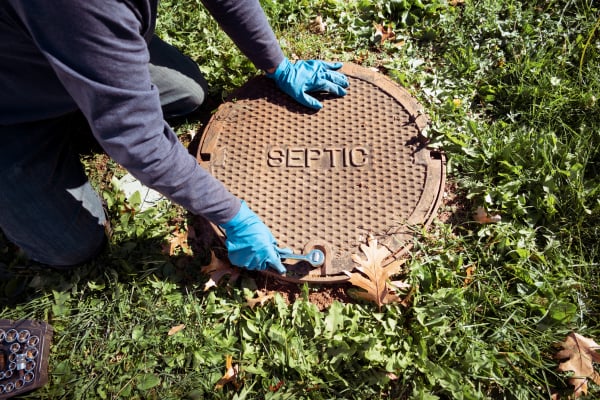
But if the home you’re considering has a private septic system, there’s one more thing you’ll want to understand before you make an offer.
The septic system is a major part of the property. It can affect the cost of owning the home, future renovations, and sometimes even the terms of your purchase.
You don’t need to become a septic expert. You just need to know what questions to ask and what to look for.
Does the Home Have a Septic System?
Not every home in Marion uses private septic. Some properties are connected to the town sewer system, while others rely on individual septic systems.
Marion’s wastewater planning documents show that a significant number of developed properties in town use individual septic systems.
If you’re looking at a home that isn’t connected to sewer, find out exactly what type of septic system it has before you get too far into the buying process.
Ask for the system records, including previous inspection reports, permits, plans, repair records, and pumping history.
The Marion Board of Health oversees septic systems locally and handles septic-related regulations and permitting requirements.
What Is a Title 5 Inspection?
Massachusetts has statewide rules for septic systems known as Title 5.
When a home with a septic system is being sold, a Title 5 inspection is generally required within two years before the sale. There are some exceptions, and there are also situations where the inspection can be completed after the sale because of weather or other circumstances.
The inspection looks at the major parts of the system, including the septic tank, distribution box, and soil absorption system.
Only a MassDEP-approved system inspector can perform a valid Title 5 inspection.
One thing I always tell buyers is this: a passing inspection is helpful, but it isn't a promise that the septic system will never have a problem.
A septic system can pass an inspection and still need maintenance later.
What Happens If the Septic System Fails?
This is where things can get more complicated.
A failed septic system generally needs to be repaired, replaced, or upgraded. Under Massachusetts Title 5, a failed system generally must be upgraded within two years unless the local Board of Health or MassDEP approves a different schedule.
Who pays for that work is not automatically decided by Title 5.
That can become part of the negotiation between the buyer and seller.
Depending on the situation, the parties may negotiate a price reduction, a credit, repairs before closing, or another arrangement. Your attorney, lender, septic professional, and real estate agent can help you understand how a failed system could affect your particular transaction.
Marion Has Additional Septic Requirements
This is one area where buying a home in Marion can be different from buying a home in another Massachusetts town.
Marion has local septic regulations in addition to the state’s Title 5 requirements. The town has adopted requirements addressing nitrogen reduction in septic systems, and its wastewater planning documents discuss enhanced nitrogen removal systems for certain new installations and failed-system replacements.
Local requirements can change, so buyers should check the current rules for the specific property rather than assuming an older septic system will be treated the same way as a new installation.
This matters if you’re thinking about renovating the house, adding a bedroom, changing the footprint, or replacing the existing system.
The septic system has to work for the property as it exists today, and future plans can change what is required. It’s also important to understand other local requirements that could affect future improvements before you purchase, particularly if you’re considering construction or renovation.
Don’t Assume You Can Add Another Bedroom
This is an easy one to overlook.
Maybe you’re buying a three-bedroom home and already have plans to finish the basement. Or perhaps you’re thinking about adding an in-law space or expanding the house.
Before you make those plans, find out what the septic system was designed to handle.
Massachusetts requires a septic inspection when certain changes to a property’s building footprint or use require a building or occupancy permit. Adding a bedroom can also trigger an inspection because it increases the expected wastewater flow.
The town may have additional requirements as well.
So before you fall in love with that future renovation, check the septic records first. If you’re planning an addition or other improvements to the property, it’s worth understanding how the existing septic system could affect your plans before moving forward.
Ask About the Age and Maintenance History
A septic system doesn’t have to be brand new to be a good system.
What matters is its condition, how it has been maintained, and whether there are any known problems.
Ask:
When was the septic system installed?
When was it last inspected?
Has it ever failed a Title 5 inspection?
When was the tank last pumped?
Have there been repairs or replacements?
Are permits and plans available?
How many bedrooms is the system approved to serve?
Is there an advanced or nitrogen-reducing treatment system?
Is there an operation and maintenance agreement?
Are there ongoing maintenance or monitoring costs?
Those answers can tell you quite a bit about what you’re buying.
What If the Home Has an I/A or Denitrification System?
Some homes have more advanced septic technology designed to remove more nitrogen from wastewater.
If you’re buying a home with an innovative/alternative, or I/A, system, don’t treat it exactly like a basic septic system.
Ask about the manufacturer’s requirements, maintenance schedule, operating costs, service contracts, and maintenance history. You want to know what it costs to run and maintain the system each year, not just whether it passed an inspection.
That’s especially worth considering if you’re buying a second home or a property you won’t occupy year-round.
Don’t Skip the Septic Records
The physical inspection is only part of the picture.
The property’s septic records can help you understand where the tank and leaching area are located, when the system was installed, what it was designed to handle, and whether there have been past repairs or variances.
Marion’s Board of Health maintains septic-related permits and documents.
If you’re considering a property with septic, review whatever records are available before you get too far into the transaction.
It’s much easier to ask questions early than to discover an issue right before closing.
What About the Cost?
There isn’t one price for repairing or replacing a septic system.
The cost depends on the problem, the property’s soil and site conditions, the size of the system, the location of water supplies, and what the local requirements call for.
If an advanced nitrogen-reducing system is required, the cost and ongoing maintenance can also be different from a conventional septic system.
That’s why I wouldn’t rely on a general internet estimate when you’re evaluating a particular home.
Get information about that property.
If a septic problem comes up during the buying process, get a qualified septic professional involved and talk with your attorney and lender before deciding how to handle it.
A Few Smart Questions to Ask Before You Buy
If you’re looking at a home in Marion with private septic, I’d want answers to these questions before moving forward:
Has the septic system passed its required inspection?
When was it installed?
How often has it been pumped?
Are there any known repairs or problems?
How many bedrooms is the system approved for?
Where are the septic tank and leaching area located?
Does the property have a denitrification or I/A system?
Are there ongoing maintenance requirements?
Are there any local permits, variances, or agreements that affect the system?
Could the septic system limit future renovations or an addition?
These aren’t difficult questions. They’re just questions you want answered before you buy.
Frequently Asked Questions About Septic Systems in Marion, MA
Is a Title 5 inspection required when buying a home in Marion?
In most situations, yes. Massachusetts generally requires a Title 5 inspection when a property with a septic system is sold. There are certain exceptions, so the specific circumstances of the sale matter.
Does a home have to pass Title 5 before it can be sold?
Not necessarily. A property can be sold even when the septic system has failed, but the failed system may need to be repaired or upgraded within the required timeframe. The buyer and seller may also negotiate who handles the work and how the cost is addressed.
Who pays for a failed septic system?
There isn’t a simple rule that says the buyer or seller always pays. It’s usually something that needs to be negotiated as part of the transaction.
Before agreeing to anything, it’s a good idea to understand the estimated repair or replacement cost and discuss the situation with your attorney and other appropriate professionals.
How often should a septic tank be pumped?
It depends on the household, tank size, and how much wastewater the property produces. Massachusetts recommends regular pumping as part of normal septic maintenance.
The pumping history of the particular property is more useful than simply knowing the age of the system.
Can I add a bedroom to a home with septic?
Maybe, but don’t assume you can.
Adding a bedroom can increase the expected wastewater flow and may trigger additional septic requirements. Before making plans for an addition, finished basement, or other expansion, check the existing septic approval and the current local requirements.
Are septic systems a deal breaker when buying a home?
Not at all.
A properly designed and maintained septic system can serve a home for many years. The key is knowing its condition, understanding its maintenance needs, and making sure it fits your plans for the property.
Should I get my own septic inspection?
If you’re buying a home with septic, having a qualified professional review the system can give you a much better understanding of what you’re buying.
Even when the seller provides a recent Title 5 inspection, you may still want additional information depending on the property and the terms of your purchase.
What should I look for around the septic system?
Pay attention to areas that stay unusually wet, standing water, strong sewage odors, unusually green or lush vegetation over the leaching area, slow drains, or sewage backing up into the home.
These signs don’t automatically mean the system has failed, but they’re worth having a professional investigate.
Buying a Home in Marion? Look Beyond the House
When you find a home you love, it’s easy to focus on the kitchen, the view, the yard, or that perfect location.
Those things matter.
So does what’s underneath the property.
If the home has a private septic system, take the time to understand it before you commit. Review the records. Look at the inspection. Ask about maintenance. Find out whether there are local requirements that could affect future improvements.
And if you’re planning to renovate or add space, bring that up early. You don’t want to discover after closing that the septic system puts limits on what you had planned.
Buying a home is a big decision. You should feel comfortable with the whole property, not just the parts you can see. Taking the time to understand the bigger picture of the Marion home-buying process can help you make a more informed decision.
If you’re considering buying a home in Marion or another South Coast community, I’m happy to help you look at the bigger picture. The right questions at the beginning can make the buying process a lot easier.
Explore everything that makes Marion a great place to live, work, and enjoy life here: https://susangordenryanluxury.com/neighborhoods/marion
About the Author
Susan Gorden Ryan is a Luxury Real Estate Agent serving Southeastern Massachusetts & Rhode Island. You can learn more at susangordonryanluxury.com or call Susan at (508) 208-1927.