Rochester, Massachusetts has a character that’s hard to find in many places.
It has open spaces, quiet roads, historic charm, and a strong connection to the surrounding land. For many buyers, that’s exactly what makes Rochester appealing. They aren’t just looking for a house. They’re looking for a way of life.
The Rochester real estate market is shaped by more than homes and prices. It’s influenced by the land, the lifestyle people want, and the small local details that make each property different.
Understanding those details can help buyers and sellers make better decisions in this unique market.
The Land Plays a Major Role in Rochester Real Estate
One of the first things people notice about Rochester is the space.
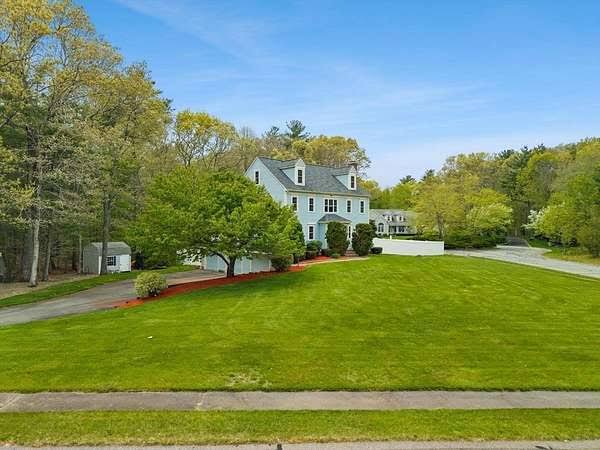
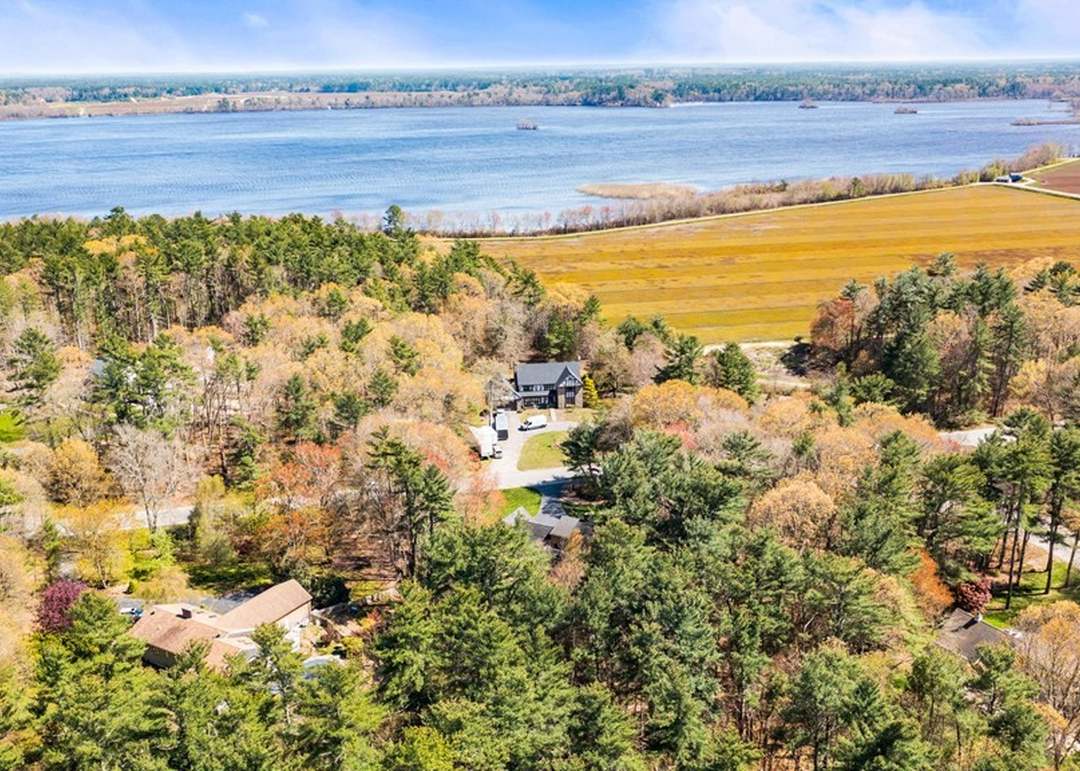
Unlike more densely developed areas, Rochester offers a sense of openness. Larger lots, wooded areas, and natural surroundings are a big part of the town’s appeal.
Many buyers come here because they want something they can’t always find elsewhere. They want privacy. They want room for gardens, outdoor gatherings, pets, or simply a little more breathing room.
The land surrounding a home can shape the entire experience of living there.
A property with mature trees and a quiet setting may attract someone looking for peace and privacy. A home closer to town amenities may appeal to someone who values convenience. Both can be great options, but they offer very different lifestyles.
That’s why Rochester real estate requires looking beyond the house itself. Buyers should also understand how Rochester’s rural character can impact everyday homeownership before choosing the right property.
Lifestyle is a Big Reason People Choose Rochester
A home purchase is often about more than the number of bedrooms or the size of the kitchen.
People choose Rochester because of how they want to spend their days.
Some are drawn to the slower pace and natural surroundings. Others appreciate being close to nearby communities while still having a quieter place to call home.
Rochester offers a balance that many buyers are searching for.
You can enjoy peaceful mornings, open views, and a strong sense of space while still having access to shopping, dining, recreation, and nearby coastal areas.
For many homeowners, that balance is the reason they stay.
Local Nuance Matters When Buying or Selling
Every real estate market has its own personality. Rochester is no different.
A home’s value is influenced by details that may not be obvious from photos or online listings. The location of the property, the feel of the neighborhood, the surrounding land, and even the way a home sits on its lot can all make a difference.
This is where local knowledge becomes important.
Someone familiar with Rochester understands that two similar homes can have very different levels of appeal depending on their setting and features.
For buyers, this means knowing what questions to ask before making an offer. It also means understanding what to consider when purchasing property in a rural Massachusetts community before committing to a home.
For sellers, it means knowing how to highlight what makes their property special.
What Makes Rochester Homes Stand Out?
Rochester homes often attract buyers because they offer something beyond the basics.
Many properties provide:
- More outdoor space
- Privacy and natural surroundings
- A quieter residential feel
- A connection to the area’s rural character
- Flexibility for different lifestyles
The right home in Rochester is not always the newest or the biggest. Often, it’s the one that fits the buyer’s daily life.
A property that feels right when someone pulls into the driveway can be just as important as the features inside.
For many buyers, the opportunity to enjoy more land and privacy in Rochester is one of the biggest reasons they choose to call the town home.
Why Buyers Need a Local Perspective in Rochester
Searching for a home online is easier than ever, but understanding a market still takes experience.
A listing can show the number of rooms, recent updates, and property details. It doesn’t always show how the neighborhood feels or why one location may be more desirable than another.
A local real estate professional can help buyers understand those differences.
They can point out things that may not be obvious during a quick home tour and help buyers find a property that matches what they actually want.
How Sellers Can Highlight the Value of Their Rochester Home
Selling a home in Rochester is about showing buyers what makes the property special.
Maybe it’s the peaceful backyard.
Maybe it’s the privacy of the lot.
Maybe it’s the convenience of the location or the way the home connects indoor and outdoor living.
The strongest marketing focuses on the features that create an emotional connection.
People remember how a home feels.
Frequently Asked Questions About Rochester Real Estate
Is Rochester, MA a good place to buy a home?
Rochester can be a great choice for buyers who want more space, a quieter setting, and a strong connection to nature while staying within reach of nearby communities.
What types of homes are popular in Rochester?
Buyers are often interested in homes with larger lots, privacy, updated living spaces, and features that support outdoor living.
Is Rochester real estate different from nearby towns?
Yes. Rochester has its own feel. The amount of land, rural character, and quieter atmosphere create a different experience compared with more developed nearby areas.
What should buyers consider when looking at homes in Rochester?
Buyers should look at more than the home itself. The lot, location, neighborhood feel, and long-term lifestyle fit all matter.
Why is local expertise helpful when selling a home in Rochester?
A local agent understands what buyers are looking for and can help position a property around the features that matter most in the Rochester market.
Closing Thoughts
Rochester real estate is shaped by the things that make the town unique.
The land creates space and privacy. The lifestyle attracts people who want a different pace. The local details give each property its own story.
Finding the right home here is about understanding how all of those pieces come together.
Whether you’re buying your first home, looking for more space, or preparing to sell, knowing the local market can make the process much easier.
A home in Rochester isn’t just a place to live. It’s a place to build a life.
See why so many people love calling Rochester home—learn more here: https://susangordenryanluxury.com/neighborhoods/rochester
About the Author
Susan Gorden Ryan is a Real Estate Agent in Mattapoisett, MA. She helps clients navigate the local real estate market with a focus on personal service, local knowledge, and helping buyers and sellers make confident decisions. You can learn more about her at susangordenryanluxury.com or contact her at (508) 208-1927.