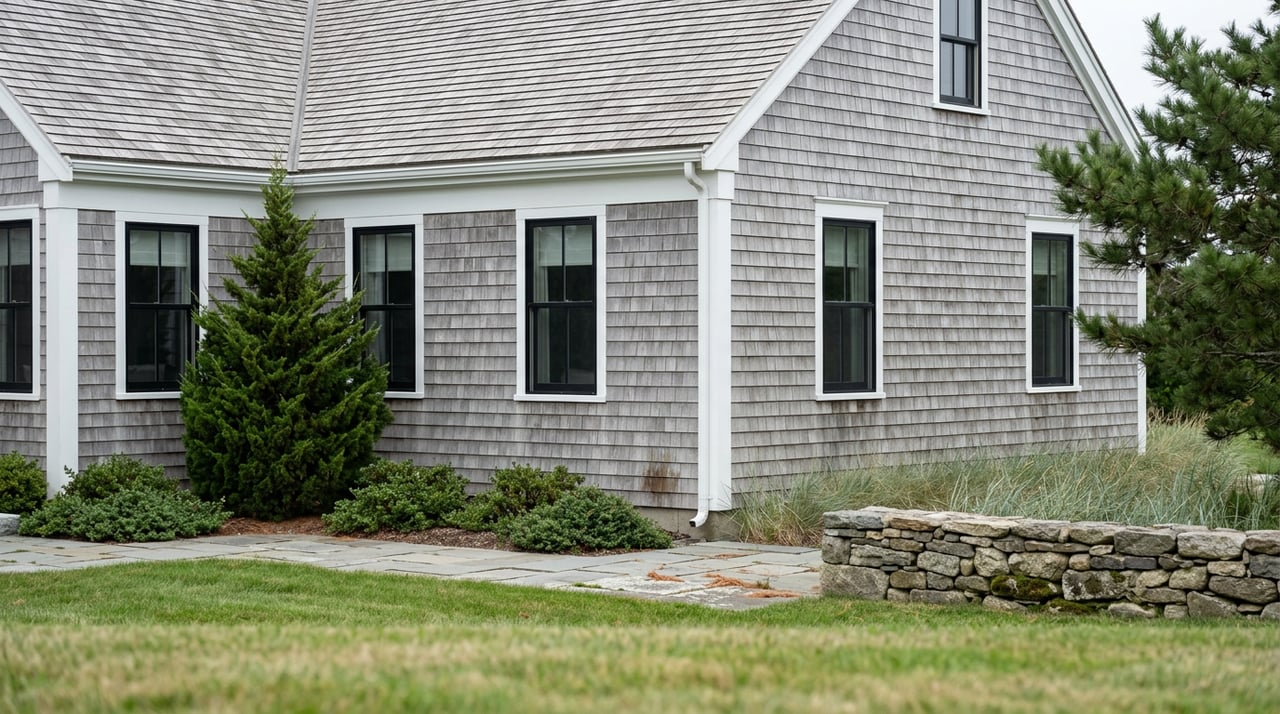
Living near the coast has a lot going for it. You get ocean views, cooler summer breezes, and that relaxed feeling that's hard to find anywhere else. But there's one thing many homeowners don't think about until it starts causing problems. Salt air.
If you own a home in Mattapoisett or another coastal community in Southeastern Massachusetts or Rhode Island, this is something you'll deal with year after year. Even if your home isn't sitting right on the water, salty air can travel inland and slowly wear down different parts of your property.
It doesn't happen overnight. It's a gradual process that can lead to expensive repairs if it's ignored.
The good news is that once you know what to watch for, it's much easier to stay ahead of it.
Why Salt Air Causes Problems
Tiny salt particles float through the air and settle on almost every outdoor surface. Over time, those particles hold moisture against materials that would normally dry out on their own.
That extra moisture speeds up corrosion, rust, and general wear. Homes in coastal towns like Mattapoisett experience these conditions throughout the year, which is one of the many considerations for anyone buying a home in Mattapoisett.
Metal Is Usually the First Thing to Show Wear
Salt air and metal don't get along.
Railings, door hardware, light fixtures, fences, gutters, and even outdoor furniture can begin to rust much faster than they would farther inland. Stainless steel lasts longer, but even it can develop corrosion if salt builds up and isn't cleaned away.
A quick rinse with fresh water every so often can make a bigger difference than most people expect.
Your Paint Doesn't Last as Long
Paint takes a beating near the coast.
Salt, wind, and constant sun slowly break it down. You might notice fading, peeling, bubbling, or small cracks sooner than you would in other areas.
Once paint starts failing, moisture has an easier path into the materials underneath. That's when small cosmetic issues can turn into larger repairs.
Keeping exterior paint in good shape helps protect the home, not just improve how it looks—especially if you're new to coastal homeownership and learning what regular maintenance involves.
Windows and Doors Need Extra Attention
Salt buildup can affect moving parts around your home.
Window tracks, hinges, locks, sliding doors, and garage door hardware can become harder to operate over time. Moisture mixed with salt also wears down weather stripping and seals faster than many homeowners realize.
Cleaning these areas and applying the right lubricant every now and then helps everything keep working the way it should.
Roofs Don't Escape the Damage
Your roof deals with sun, rain, wind, and salt every day.
Metal flashing can corrode, fasteners may wear down, and roofing materials often age faster in coastal environments. After storms, it's worth taking a close look for loose shingles, damaged flashing, or anything that could let water inside.
Finding a small issue early is almost always less expensive than dealing with a leak later.
HVAC Systems Work Harder Near the Ocean
Outdoor air conditioning units are especially vulnerable.
Salt settles on the coils and metal components, making corrosion happen faster. As parts wear down, the system has to work harder to cool your home, which can shorten its lifespan.
Many HVAC companies recommend regular coil cleaning for homes near the coast. It's a simple step that can help keep the system running efficiently.
Wood Can Wear Down Faster
Salt itself doesn't damage wood the way it damages metal, but the moisture that comes with coastal air creates other problems.
Decks, fences, siding, and trim may stay damp longer after rain or heavy humidity. That increases the chance of rot, mold, mildew, and warping if the wood isn't properly sealed and maintained.
A fresh coat of stain or sealant every few years helps protect these surfaces.
Simple Maintenance Goes a Long Way
Owning a coastal home doesn't mean you're constantly dealing with repairs. It just means staying on top of routine maintenance.
Here are a few habits that make a difference:
* Rinse outdoor metal surfaces with fresh water.
* Inspect your roof after major storms.
* Wash salt off windows and siding regularly.
* Touch up peeling paint before it spreads.
* Check outdoor lighting, railings, and hardware for early signs of rust.
* Schedule regular HVAC maintenance.
* Seal or stain exposed wood as needed.
None of these jobs are complicated, but together they can add years to the life of your home's exterior, especially for homes living closer to the shoreline.
Frequently Asked Questions
How far inland can salt air affect a home?
It depends on the weather, wind, and the local landscape, but salt air can travel several miles inland. Homes don't have to sit directly on the beach to experience its effects. Many homeowners in Mattapoisett and nearby coastal communities notice the same maintenance concerns even when they're a short drive from the shoreline.
How often should I wash my home's exterior?
For most coastal homes, washing the siding, windows, and outdoor fixtures a few times a year helps remove salt buildup. Homes closer to the water may benefit from more frequent cleaning, especially after strong coastal storms.
Does salt air lower a home's value?
Salt air itself doesn't reduce property values. What matters is how well the home has been maintained. A property with visible rust, peeling paint, or deferred maintenance may be less appealing to buyers, while a well-cared-for home often holds its value much better.
What materials hold up best near the coast?
Marine-grade stainless steel, fiber cement siding, composite decking, high-quality exterior paint, and properly sealed wood generally perform better in coastal environments. Choosing materials designed for salt exposure can reduce future maintenance.
Should I have my home inspected more often if I live near the coast?
Regular inspections are a smart idea. Having your roof, HVAC system, exterior paint, and other exposed areas checked every year can help catch small issues before they become costly repairs.
Coastal Living Is Worth It
People choose coastal homes for a reason. The scenery, the fresh air, and the lifestyle are hard to beat. Whether you're enjoying life in Mattapoisett, Marion, Fairhaven, Dartmouth, or another South Coast community, living near the water comes with benefits that make it a special place to call home.
Salt air is simply part of the package.
With regular care and a little attention throughout the year, you can keep your home looking great while avoiding many of the repairs that catch homeowners by surprise.
A little maintenance today often saves a much bigger project tomorrow.
Closing Thoughts
Buying a home near the coast is about more than the view. It's about choosing a lifestyle that many people dream of. Like any home, coastal properties need regular care, and understanding how salt air affects your home is one of the easiest ways to protect your investment.
Whether you've owned your home for years or you're thinking about buying in Mattapoisett or another South Coast community, staying ahead of maintenance can save you time, money, and stress in the long run.
About the Author
Susan Gorden Ryan is a Luxury Real Estate Agent serving Southeastern Massachusetts and Rhode Island. She helps buyers and sellers make informed real estate decisions with local knowledge and years of experience in the coastal market. Whether you're buying your first waterfront home, selling a property in Mattapoisett, or simply looking for trusted real estate advice, Susan is here to help. Learn more at susangordonryanluxury.com or call (508) 208-1927.