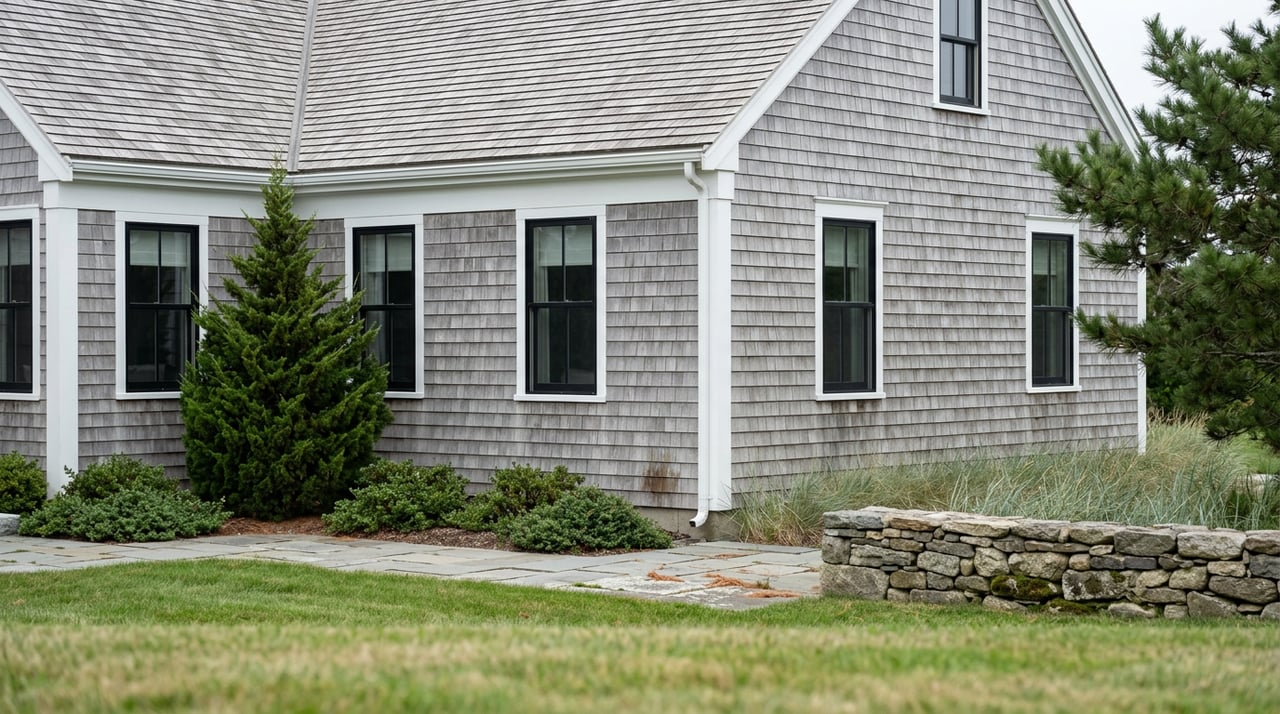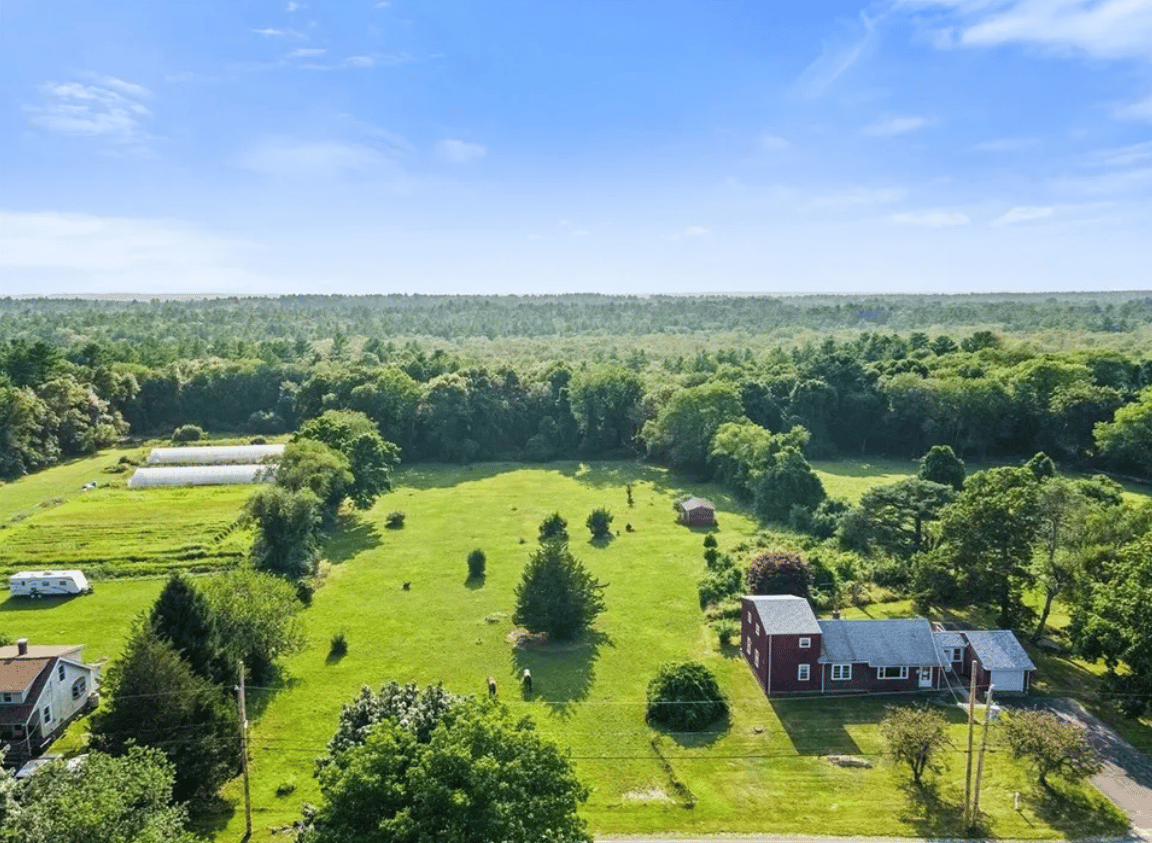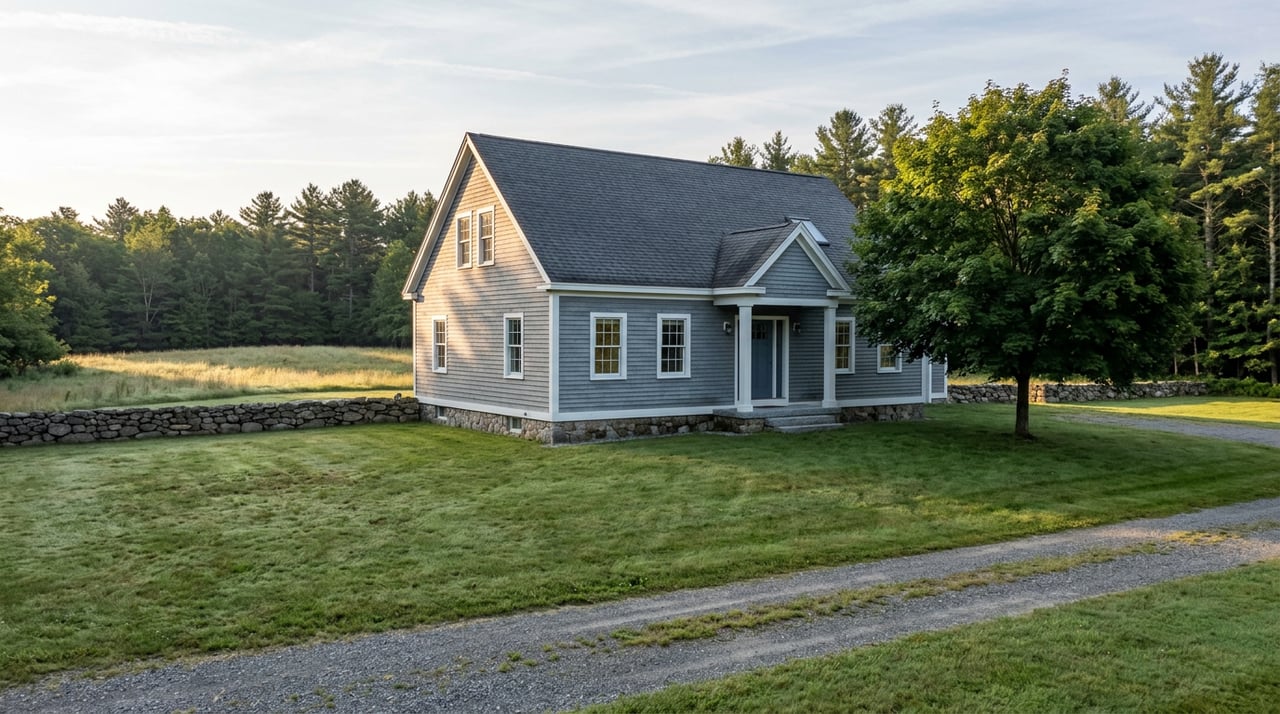
Picture two houses a half-mile apart on the same rural road in Rochester. Both sit on a little over an acre. Both are listed within a few thousand dollars of each other, similar square footage, similar bedroom count, similar year built. On paper they read as the same opportunity. In practice, one of them can become a four-bedroom home if a future owner ever wants the extra room, and the other cannot, not without a five-figure system replacement first.
Nothing on the listing tells you which house is which. The acreage doesn't say it. The price doesn't say it. The only place that number lives is in a folder at the Board of Health, on a septic design plan that was approved years before either house went on the market.
That's the piece of Rochester real estate that rarely makes it into a walkthrough, and it matters more here than in almost any other SouthCoast town, because Rochester is still a place where the septic tank, not a sewer line, decides what a property can become.
The Number That Isn't on the Listing
Rochester has stayed rural-residential in character even as neighboring towns have filled in, and one quiet consequence of that is how much of its housing stock runs on private wells and septic systems rather than municipal water and sewer. Statewide, roughly three in ten Massachusetts homes rely on a septic system instead of a town sewer connection, and in a town like Rochester, with large lots and a working agricultural history, that share runs higher.
Every one of those septic systems is governed by Title 5, the state's septic code. Title 5 sizes a system around a single number: 110 gallons of design flow per bedroom, per day. Not bathrooms. Not square footage. Bedrooms. A Board of Health approves that bedroom count based on a soil evaluation and percolation test done on that specific parcel, and once approved, it becomes the ceiling for that property until someone pays to raise it.
Here's what that ceiling looks like in practice:
| Approved Bedrooms | Title 5 Design Flow |
|---|---|
| 2 | 220 gallons/day |
| 3 | 330 gallons/day |
| 4 | 440 gallons/day |
| 5 | 550 gallons/day |
A house can have four bedrooms' worth of square footage and still be legally a three-bedroom home if that's what the septic system was designed to support. Try to add a bedroom, finish a basement as a fourth sleeping space, or convert a barn into an accessory dwelling, and the town will ask to see whether the system can carry the added flow. If it can't, the project stops at the Board of Health, not at the contractor.
Two Lots, Same Price, Different Ceiling
This is exactly why septic capacity has started showing up as a selling point rather than a footnote in Rochester listings. It's not unusual right now to see a current listing note that a three-bedroom house sits on a four-bedroom septic system, framed explicitly as flexibility for future use. That extra bedroom of capacity is worth something concrete: it's the difference between a buyer who can add a primary suite addition in five years and one who has to replace an entire leach field first to do the same thing.
Compare that to a similarly priced Rochester home where the septic system was just replaced, but sized to match the house exactly as it stands. Both properties might show "new septic" in the listing remarks. Only one of them bought room to grow.
The acreage doesn't distinguish these two outcomes. A 1.5-acre lot with poor percolating soil can end up with a tighter design flow than a smaller lot with better drainage. The only way to know which kind of lot you're looking at is to ask for the septic design plan and the Board of Health approval, not to eyeball the yard.
What It Costs to Move the Ceiling
If a Rochester property's septic system is already at capacity and the plan is to add a bedroom, build an accessory unit, or simply protect resale flexibility, the fix is a system upgrade, and as of 2026 that is not a small line item. A full septic replacement in Massachusetts typically runs $20,000 to $30,000, and can climb past $50,000 when the soil requires an engineered or alternative system rather than a conventional leach field.
That range matters for two different buyers in Rochester right now. For someone planning to expand a home, it's the real cost of unlocking that extra bedroom, on top of whatever the addition itself costs. For someone comparing two similarly priced homes, it's the hidden gap between a property with headroom already built in and one where that headroom has to be purchased separately, later, at whatever rate contractors are charging that year.
The Second Invisible Boundary: Right to Farm
Septic capacity isn't the only thing in Rochester that's set before you arrive and stays fixed after you move in. The town's zoning by-laws include a Right-to-Farm provision, and Rochester also maintains its own Agricultural Commission, a seven-member board the Select Board formed in 2011 to give farming a voice in local decisions and help protect the town's remaining farmland.
Massachusetts was the first state in the country to pass a Right-to-Farm law, back in 1979, and roughly 140 Massachusetts towns, Rochester among them, have since adopted their own local version of that protection. In practical terms, a Right-to-Farm bylaw shields established agricultural operations, cranberry bogs, horse farms, hayfields, from nuisance complaints about the ordinary sounds, smells, and dust that come with working land. A farm was there first, in the eyes of the bylaw, and normal agricultural activity gets legal cover that a new neighbor can't override with a complaint to the town.
For a buyer moving to Rochester from a more built-out SouthCoast neighborhood, that's worth sitting with before falling for a house near a bog or a stable. The quiet, open feel that makes rural land appealing in the first place comes bundled with the reality that the town has deliberately made it harder to complain about the very activity that keeps that land open. It isn't a flaw in the town's character. It's the mechanism that protects it, and it's worth understanding before you're the one filing the complaint that the bylaw was written to prevent.
Before You Write an Offer
Rochester rewards a buyer who asks a few specific questions before falling for the acreage. Before making an offer on a Rochester property, it's worth requesting:
- The Title 5 septic design plan and the approved bedroom count on file with the Board of Health, not just the most recent inspection report
- The date the system was designed or last upgraded, since a compliant system from the 1980s may carry a lower bedroom cap than a same-sized system built today
- Whether the parcel or an adjacent parcel is enrolled in active agricultural use, and whether it falls under the town's Right-to-Farm protections
- Whether the lot has room for a second septic system location, sometimes called a reserve area, in case the current system ever needs full replacement
None of this shows up in a standard listing sheet. All of it shows up in town records, and all of it changes what a given Rochester property can actually do for the household that buys it.
Quick Answers Before You Tour
Does every home in Rochester run on well and septic? Not every one, but the town has stayed rural-residential enough that private water and septic are the norm rather than the exception, especially away from the town center.
If a septic system already meets code, can I still add a bedroom later? Only if the system's design flow has room for it. A code-compliant system sized for three bedrooms doesn't automatically support a fourth. That requires a new design and Board of Health approval, and usually a new system.
Does the Right-to-Farm bylaw mean I can't complain about anything from a neighboring farm? It means normal agricultural practices, noise, odor, dust, are protected from nuisance complaints. It doesn't cover activity outside the scope of standard farming, but it does set the baseline expectation for anyone buying near active farmland in town.
Rochester's open lots and working farms are exactly what draw people to it, and they come with a set of local mechanics that a standard home search doesn't surface on its own. If you're comparing acreage in Rochester against a smaller lot somewhere with town sewer, or trying to figure out what a specific parcel's septic system will actually let you build, that's the kind of groundwork worth doing before you're emotionally attached to a listing. Susan Gorden Ryan Luxury works this exact terrain across the SouthCoast, and a complimentary home valuation is a straightforward way to start sorting out what a Rochester property is really worth, and what it will actually let you do.